
Home > Home > Home > Appendix Surgery > Expert Appendix Surgery
Appendix Surgery
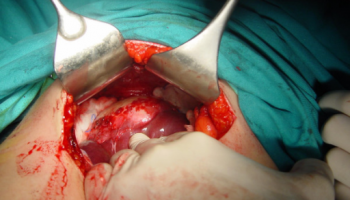

Symptoms of Appendix –
- Abdominal pain. The pain may begin around the belly button.
- The pain gets severe while moving, walking, or coughing.
- Nausea
- Constipation, back pain, a slight fever, or a swollen abdomen
Do follow the following tips and recover soon.
- Do make prior arrangements for a safe and comfortable journey back home. Ensure that you have made transportation arrangements to go home safely. Use your own car or book any cab or take any friend’s help. Place a cushion over your abdomen to keep it safe from jerks.
- Do go for a post-surgery checkup. Book an appointment with your surgeon post-surgery. This would ensure that surgery did not cause any side-effect.
- Understand the schedule for taking medicines. Usually, the patients are given painkillers. If you think you are not getting relief from it then ask your surgeon to prescribe you an alternative. Patients are likely to suffer from constipation post abdominal surgery. If that happens, intake more fibrous food, fluids and indulge in light physical activities. Patients can also ask for cheaper alternative medicines.
Check for certain signs and symptoms and take adequate steps:
- Take adequate sleep. There are chances that you may feel dizzy and fatigue, therefore one must observe the change in sleep patterns. Have patience. Things will become normal in due course of time.
- You will also be subjected to little pain from the incision. Take your medicines as directed in order to get early relief from pain.
- Draining of yellow colour liquid from the incision in little quantities post the surgery is normal. If the drainage continues even after 7 to 14 days with redness around the incision, it is a clear symptom of infection. Consult your surgeon immediately for the cure.
- Removal of the urinary catheter from the bladder may cause minor difficulties during urination. The situation will become normal in a few days. If discomfort persists, consult your surgeon.
Identify the following dangerous symptoms and call your doctor right away.
- Persistent vomiting or nausea
- Incapability to digest food or fluids
- Swelling in leg
- Abnormal body temperature
- Infection at the surgical site
Maintain a healthy and supervised lifestyle post-surgery.
- It will take a few days to return to your normal routine life. So have patience until then.
- Go for morning and evening walks. Avoid heavy exercises as such activities may cause physical strain.
Take care of your surgical incision
- The surgical incision should be regularly cleaned or washed gently. Try to keep the surgical site dry until the stitches are removed.
- After 5-7 days of surgery, the stitches would be removed by the surgeon. Avoid putting ointment on the stitches until then. It will take a few weeks for the scars to fade.
With proper care and medical supervision, recovery after abdominal surgery is generally smooth, and patients can return to their daily routine soon. For those concerned about treatment planning or understanding factors such as appendix cost in Nashik, it is advisable to discuss details with your healthcare provider to get clear guidance.
Frequently Asked Questions
1. What is appendix surgery?
Appendix surgery, also known as an appendectomy, is a procedure performed to remove an inflamed or infected appendix. It is the standard treatment for appendicitis and helps prevent complications such as a ruptured appendix and abdominal infection.
2. What are the early signs of appendicitis?
Common early symptoms of appendicitis include:
- Pain that starts around the belly button and moves to the lower right abdomen
- Pain that worsens while walking, coughing, or moving
- Nausea or vomiting
- Loss of appetite
- Mild fever
- Constipation or bloating
If these symptoms develop suddenly, prompt medical evaluation is recommended.
3. Is appendix surgery an emergency?
Yes. Appendicitis is considered a surgical emergency because an untreated inflamed appendix may rupture, leading to serious infections such as peritonitis. Early diagnosis and timely surgery help reduce the risk of complications.
4. Is laparoscopic appendix surgery better than open surgery?
For many patients, laparoscopic appendix surgery offers benefits such as:
- Smaller incisions
- Less post-operative pain
- Minimal scarring
- Shorter hospital stay
- Faster recovery
- Lower risk of wound infection
However, the most suitable surgical approach depends on the patient’s condition and the severity of appendicitis.
5. How long does it take to recover after appendix surgery?
Recovery varies depending on the type of surgery and the patient’s overall health. Many patients who undergo laparoscopic appendectomy can return to light daily activities within one to two weeks, while complete recovery may take a few weeks. Your surgeon will provide specific recovery guidelines.
6. What precautions should I take after appendix surgery?
After surgery, it is generally recommended to:
- Keep the incision clean and dry
- Take prescribed medications as directed
- Avoid heavy lifting until advised
- Walk regularly to improve circulation
- Attend follow-up appointments
- Contact your surgeon if you notice fever, increasing pain, redness, or discharge from the wound.
7. What happens if appendicitis is left untreated?
If appendicitis is not treated promptly, the appendix can rupture. This may spread infection inside the abdomen, leading to serious complications such as abscess formation, peritonitis, or sepsis, all of which require urgent medical treatment.
8. When should I contact my doctor after appendix surgery?
You should seek medical attention if you experience:
- Persistent or worsening abdominal pain
- High fever
- Continuous vomiting
- Increased redness, swelling, or discharge from the incision
- Difficulty eating or drinking
- Swelling in the legs or other unusual symptoms
Prompt evaluation helps identify and treat post-operative complications early.