
Pilonidal Sinus Treatment in Nashik
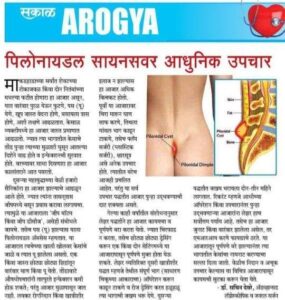
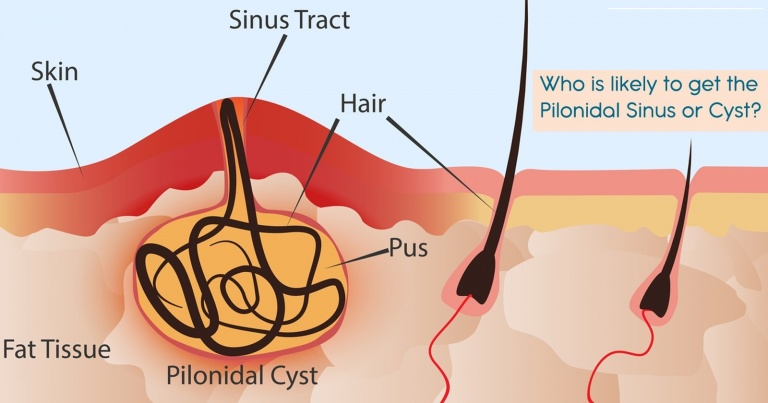
Dr. Sachin Deore is a renowned and trusted surgeon for Pilonidal Sinus Treatment in Nashik at Saru Hospital. Equipped with the world’s most advanced diode laser technology, Saru Hospital offers modern, safe, and effective solutions for patients suffering from this painful condition. A pilonidal sinus (also known as Nasur) is a small cyst or abscess that forms in the cleft between the buttocks, usually near the tailbone. The cyst often contains hair, pus, dirt, or other debris, leading to infection and discomfort.
What is Pilonidal Sinus?
Opening Hours
| Monday – Friday | 8.00 – 18.00 |
| Saturday | 9.00 – 17.00 |
| Sunday | 9.00 – 15.00 |
| Holidays | Closed |
A pilonidal sinus is a common problem that affects men more often than women, especially those who have thick or coarse body hair. People with sedentary lifestyles or jobs that require long hours of sitting are more prone to this condition. Obesity, excessive sweating, and poor hygiene may also increase the risk.
Symptoms of Pilonidal Sinus
The symptoms usually begin with mild discomfort and may worsen if left untreated. Common signs include:
- Severe pain or tenderness near the tailbone
- Redness and swelling around the infected area
- Pus or blood discharge with foul odor
- Formation of multiple small holes (sinus tracts) in the skin
- Difficulty sitting or performing daily activities due to pain
If you are experiencing these symptoms repeatedly, it is advisable to consult a specialist without delay.
Diagnosis of Pilonidal Sinus
Diagnosis is usually straightforward and involves a clinical examination by a qualified surgeon. The doctor carefully inspects the buttock area and may recommend treatment based on the severity of the condition. Early diagnosis can prevent complications and reduce the risk of recurrence.
Treatment Options for Pilonidal Sinus
The treatment depends on the stage and severity of the sinus:
- Incision and Drainage: For mild or first-time cases, the doctor may make a small cut to drain out the pus. This helps reduce pain and inflammation but may not prevent recurrence.
- Laser Treatment: At Saru Hospital, advanced diode laser technology is used to treat pilonidal sinus with minimal pain, less scarring, and faster recovery.
- Surgical Excision: For chronic or recurring cases, surgical removal of the sinus tract ensures long-term relief. Post-surgery, maintaining cleanliness and hygiene is very important to avoid infection.
Why Choose Laser Treatment for Pilonidal Sinus?
Laser treatment is gaining popularity because of its advantages over traditional methods. It involves a minimally invasive procedure with:
- Reduced pain during and after treatment
- Minimal bleeding and scarring
- Shorter hospital stay
- Quick return to normal activities
- Lower chances of recurrence
Post-Treatment Care
After undergoing pilonidal sinus treatment, patients are advised to:
- Keep the area clean and dry
- Avoid prolonged sitting until recovery
- Maintain good hygiene
- Follow all medical instructions provided by the surgeon
Proper care after surgery ensures faster healing and prevents the sinus from recurring.
- Keep the area clean and dry
Conclusion
If you are suffering from constant pain, swelling, or repeated infections near the tailbone, consult Dr. Sachin Deore at Saru Hospital for advanced Pilonidal Sinus Treatment in Nashik. With expertise in laser technology and years of surgical experience, Dr. Deore ensures safe, effective, and long-lasting relief for patients dealing with this condition.
Frequently Asked Questions
1. What is a pilonidal sinus?
A pilonidal sinus is a small tunnel or cyst that develops in the skin near the tailbone, usually in the cleft between the buttocks. It often contains hair, dead skin cells, and debris, which can become infected and cause pain, swelling, and pus formation.
2. What causes a pilonidal sinus?
A pilonidal sinus commonly develops when loose hair penetrates the skin, leading to irritation and infection. Risk factors include prolonged sitting, obesity, excessive body hair, sweating, friction, and poor hygiene.
3. What are the common symptoms of a pilonidal sinus?
The symptoms may include:
- Pain near the tailbone, especially while sitting
- Swelling and redness
- Pus or blood discharge with an unpleasant smell
- A small lump or cyst near the buttocks
- Fever in cases of severe infection
4. How is a pilonidal sinus diagnosed?
A pilonidal sinus is usually diagnosed through a physical examination by a surgeon. Most cases do not require special tests, but additional investigations may be recommended if the condition is recurrent or complicated.
5. What are the treatment options for a pilonidal sinus?
Treatment depends on the severity of the condition. Mild infections may require drainage of the abscess, while recurrent or chronic pilonidal sinus often requires laser treatment or surgical removal of the sinus tract for long-term relief.
6. What are the benefits of laser treatment for a pilonidal sinus?
Laser treatment is a minimally invasive option that offers several advantages, including:
- Less pain after the procedure
- Minimal bleeding
- Smaller scars
- Faster healing
- Quicker return to daily activities
- Lower risk of recurrence compared to some conventional approaches
7. Can a pilonidal sinus come back after treatment?
Yes, recurrence is possible if the sinus is not completely treated or if proper post-treatment care is not followed. Maintaining good hygiene, keeping the area hair-free, and following your surgeon’s advice can help reduce the risk of recurrence.
8. How can I prevent a pilonidal sinus from recurring?
To help reduce the chances of recurrence:
- Keep the area clean and dry
- Remove excess hair if advised by your doctor
- Avoid prolonged sitting whenever possible
- Maintain a healthy body weight
- Wear loose, comfortable clothing
- Attend regular follow-up visits after treatment