
Laser Treatment for Piles in Nashik
Laser Treatment for Piles in Nashik is one of the most advanced and effective solutions for patients suffering from piles, also known as hemorrhoids. Piles are swollen blood vessels in the lower rectum and anus that enlarge due to excess pressure. This pressure often comes from constipation, straining during bowel movements, pregnancy, or even prolonged sitting. If left untreated, piles can cause pain, bleeding, itching, and discomfort in daily life.
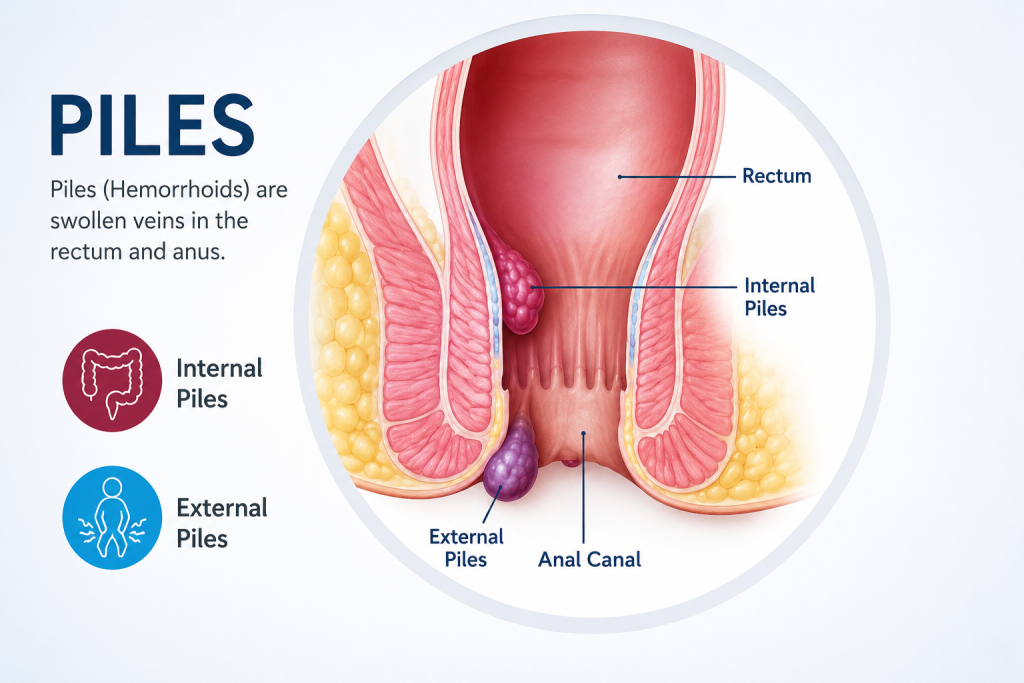
What is Piles?
Piles are a common condition that affects people of all age groups. They may appear inside the rectum (internal piles) or around the anus (external piles). Common symptoms include bleeding during bowel movements, itching, irritation, swelling, and pain. Many patients feel embarrassed to talk about piles, but with modern medical advancements, treatments are simple, safe, and highly effective.
At Saru Hospital, an expert team led by Dr. Sachin Deore, a trusted Piles doctor in Nashik, provides advanced care for patients suffering from piles. With years of experience, Dr. Deore has helped thousands of patients find long-lasting relief through safe and effective procedures.
Symptoms of Piles
- Itching, pain, or swelling around the anus
- Bleeding during bowel movements
- Mucus discharge or irritation
- Protrusion of a lump from the anal opening
If you notice any of these symptoms, it is important to consult an experienced Piles doctor in Nashik for the right diagnosis and timely treatment.
What is Laser Treatment for Piles?
Laser treatment is a minimally invasive technique that uses focused laser energy to treat the affected veins. Unlike conventional surgery, it does not involve major cuts or stitches. The laser precisely targets the haemorrhoidal tissue, shrinking it and promoting healing. Patients experience less pain, minimal blood loss, and faster recovery, making it a preferred choice for modern piles treatment.
Dr. Sachin Deore has been offering laser proctology for more than a decade and uses the latest diode laser technology available at Saru Hospital. With his expertise, patients can be assured of safe procedures and excellent outcomes.
Role of a Piles Doctor in Nashik
At Saru Hospital, Dr. Sachin Deore has been offering advanced piles treatment with laser technology for more than a decade. With vast experience and expertise, he ensures precise treatment, faster recovery, and minimal chances of recurrence.
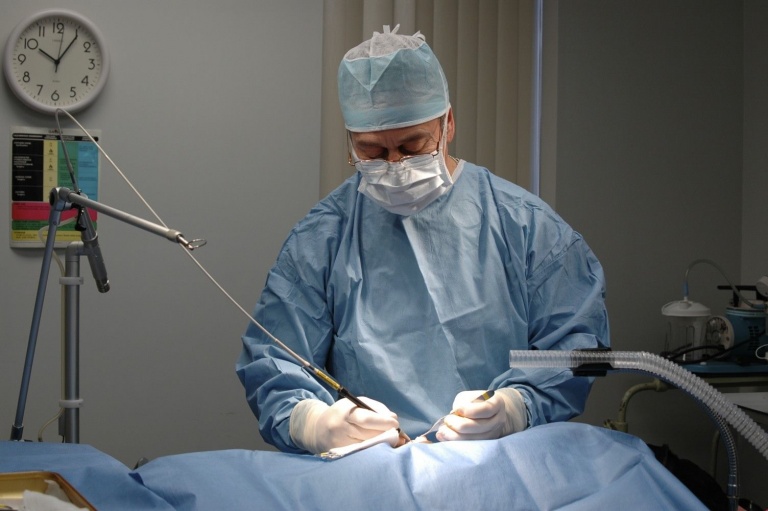
Traditional vs. Laser Treatment for Piles
The traditional surgical method involves cutting and removing the haemorrhoidal mass, which may lead to pain, prolonged healing time, repeated dressings, and a higher risk of recurrence. In comparison, laser treatment is quick, causes less discomfort, and allows patients to return to their normal lifestyle much faster.
How Does Laser Treatment Work?
During the procedure, a fine laser beam is passed through the anal opening, and laser energy is applied directly to the haemorrhoidal tissue. The controlled energy shrinks the piles, reduces blood supply to the swollen veins, and promotes natural healing. Additionally, fibrosis reconstruction generates new connective tissue, preventing the recurrence of prolapse.
Modern Approach to Piles Treatment
Laser treatment for piles ensures:
- Quick and safe procedure
- Outpatient treatment in most cases
- Shorter hospital stay
- High patient satisfaction rates
Benefits of Laser Treatment for Piles
- Minimal pain and faster recovery compared to traditional surgery.
- Shorter procedure with reduced hospital stay.
- No cuts, stitches, or foreign material left in the body.
- Precise control over the treatment area, ensuring safety.
- Lower risk of infection and recurrence.
- Patients can resume their normal routine within a few days.
Conclusion
For patients looking for safe, modern, and effective solutions, Laser Treatment for Piles in Nashik is one of the best available options. With advanced laser technology and the expertise of Dr. Sachin Deore, patients receive personalized care and long-term relief. If you are experiencing symptoms of piles, timely consultation and treatment can help you regain comfort and quality of life.
Frequently Asked Questions
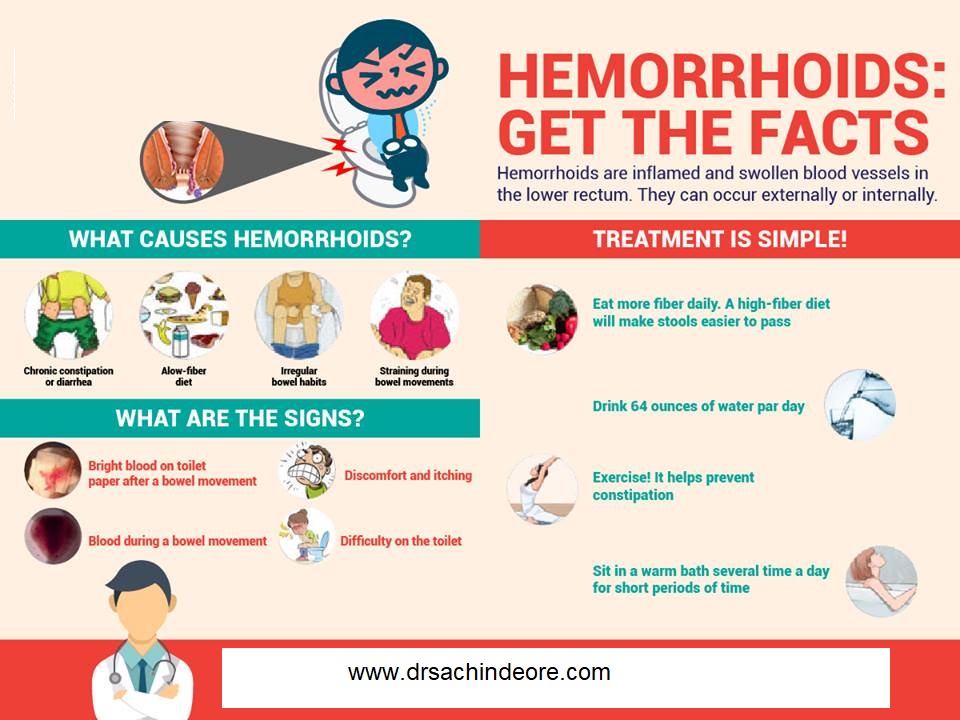
What do you mean by piles?
What are the symptoms of piles?
- Rectal pain
- Itching
- Bleeding
What are the types of piles?
- Internal
- External
- Prolapsed
- thrombosed
What things can provoke your piles?
- Sitting for a long time
- Lifting very heavy objects daily
- Constipation or diarrhoea
- Poor hygiene
- High stress
- Overuse of laxatives
- Not answering nature’s call on time
- Avoiding surgical treatment
How does fibre help in Piles?
- The Roughage in the diet is excreted with the other waste products from the intestines
- The water-absorbing fibre loosens the stools and helps in easy passage of the body waste
What should I avoid eating if I have piles?
- Cheese
- Chips
- Fast food
- Ice cream
- Meat
- Prepared foods, such as some frozen and snack foods
What food items are good for piles?
- Leafy vegetables,
- Whole-grain cereals
- Millets
- Salads
- Unpeeled fruits
- Unstrained soups with your meals