Fissure Surgery in Nashik – Expert Care for Lasting Relief
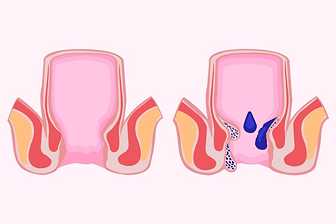
 Anal fissures are one of the most common yet extremely painful conditions affecting the anal region. These are small tears or cuts in the lining of the anus that cause sharp pain, discomfort, and sometimes bleeding during or after passing stools. For patients struggling with recurring fissures, fissure surgery in Nashik offers an advanced, safe, and effective treatment to ensure long-term relief and improved quality of life.
What is an Anal Fissure?
Causes of Anal Fissures
Common Triggers
1. Passing hard or large stools
2. Chronic constipation or diarrhea
3. Prolonged straining during bowel movements
4. Pregnancy and childbirth (common in women)
5. Reduced blood supply to the anal region
Other Risk Factors
1. Poor diet with low fiber intake
2. Sedentary lifestyle
3. History of anal infections or trauma
4. Stress and irregular bowel habits
Symptoms That Indicate the Need for Surgery
1. Severe pain during or after bowel movements
2. Burning or itching sensation in the anal area
3. Bleeding while passing stools (usually bright red)
4. Visible cracks or cuts near the anus
5. Spasms of the anal sphincter causing difficulty in passing stools
Treatment Options for Anal Fissures
Non-Surgical Methods
1. Dietary changes – Adding fiber-rich foods and adequate water
2. Stool softeners – To ease bowel movements
3. Topical ointments – For pain relief and healing
4. Warm sitz baths – To relax muscles and improve blood circulation
Surgical Treatments
1. Lateral Internal Sphincterotomy (LIS)
This is the gold standard surgery for fissures. In this procedure, a small part of the anal sphincter muscle is cut to reduce spasms, relieve pain, and promote healing.
2. Laser Fissure Surgery
A modern, minimally invasive procedure where laser energy is used to treat fissures. It ensures less pain, minimal bleeding, faster recovery, and negligible scarring.
3. Fissurectomy
In some cases, the fissure itself is surgically removed to allow the tissue to heal completely
Benefits of Modern Fissure Surgery
1. Quick and effective pain relief
2. High success rate with long-term results
3. Minimal blood loss and reduced complications
4. Short hospital stay, often same-day discharge
5. Faster healing and early return to routine activities
Post-Surgery Care and Recovery
- Maintain a high-fiber diet and stay hydrated
- Avoid straining during bowel movements
- Take prescribed medications as advised
- Keep the surgical area clean and dry
- Follow up with your surgeon for regular check-ups
Expert Fissure Surgery
Frequently Asked Questions
1. What is an anal fissure?
An anal fissure is a small tear or crack in the lining of the anus that can cause severe pain, bleeding, and discomfort during or after bowel movements. It commonly develops due to passing hard stools, chronic constipation, or repeated straining during bowel movements.
2. What are the common symptoms of an anal fissure?
The most common symptoms include:
- Sharp pain during or after passing stools
- Bright red bleeding on toilet paper or in the stool
- Burning or itching around the anal area
- A visible crack near the anus
- Difficulty passing stools due to muscle spasms
If these symptoms persist, medical evaluation is recommended.
3. Can an anal fissure heal without surgery?
Yes. Acute anal fissures often heal with conservative treatment such as a high-fiber diet, adequate water intake, stool softeners, warm sitz baths, and prescribed ointments. Surgery is generally considered when the fissure becomes chronic or does not improve with non-surgical treatment.
4. When is fissure surgery recommended?
Fissure surgery may be recommended when:
- Symptoms continue despite medications
- The fissure becomes chronic
- Pain is severe and affects daily activities
- There is repeated bleeding or muscle spasm
- Conservative treatment fails to provide relief
An experienced surgeon will determine the most appropriate treatment after evaluation.
5. What are the benefits of laser fissure surgery?
Laser fissure surgery is a minimally invasive treatment that offers several advantages, including:
- Less pain after the procedure
- Minimal bleeding
- Smaller or no visible scars
- Faster healing
- Short hospital stay
- Quicker return to normal daily activities
6. How long does recovery take after fissure surgery?
Recovery varies from person to person and depends on the type of procedure performed. Many patients can resume light daily activities within a few days after minimally invasive treatment, while complete healing may take a few weeks. Following the surgeon’s post-operative instructions supports a smooth recovery.
7. How can I prevent an anal fissure from recurring?
You can reduce the risk of recurrence by:
- Eating a fiber-rich diet
- Drinking plenty of water
- Avoiding constipation and straining
- Exercising regularly
- Maintaining good anal hygiene
- Following your doctor’s dietary and lifestyle recommendations after treatment.
8. Is fissure surgery safe?
Yes. Modern fissure surgery, including laser treatment and lateral internal sphincterotomy (LIS), is considered safe when performed by an experienced surgeon. These procedures have a high success rate and are designed to relieve pain, promote healing, and reduce the likelihood of recurrence.