- Diagnostic Surgery – Accurate evaluation and treatment of complex conditions.
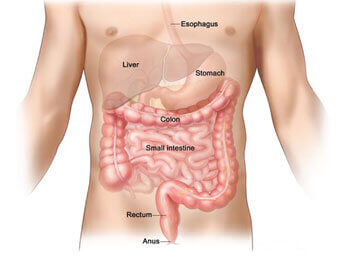
- General Surgery – Covering abdominal contents such as esophagus, stomach, intestines, liver, pancreas, gallbladder, and bile ducts.
- Colorectal Surgery – Advanced treatments for piles (Mulvyadh), fissures, and fistula (Bhagandar).
- Diabetic Foot Management – Preventive and surgical solutions for diabetic patients.
- Endoscopy – Minimally invasive diagnostic and therapeutic procedures.
- Pilonidal Sinus Treatment – Effective surgical and laser methods for long-term relief.
- Varicose Veins Treatment – Laser-based procedures with minimal downtime and cosmetic benefits.
Saru Hospital
Home > General Surgery
Colorectal surgeon in Nashik
General Surgeon in Nashik | Dr. Sachin Deore
Laparoscopic surgery, commonly known as keyhole surgery, has revolutionized modern surgical practice. Instead of large incisions, this method uses small cuts and a high-definition camera system for precision. The benefits include minimal pain, reduced scarring, shorter hospital stays, and faster recovery compared to traditional open surgeries.
Dr. Deore has a strong interest in laparoscopic techniques and has successfully treated numerous patients requiring gallbladder removal, appendix surgery, hernia repair, and colorectal conditions. These techniques are widely preferred because they ensure safer outcomes, less discomfort, and quicker return to normal life.
Range of Surgical Services
As a General Surgeon in Nashik, Dr. Sachin Deore provides a wide spectrum of surgical care across different specialties:
In addition, Dr. Deore also handles trauma, skin-related conditions, and peripheral vascular surgeries, making his practice comprehensive and patient-focused.
Pre and Post-Surgical Care
Before undergoing surgery, patients are carefully evaluated with blood tests, imaging scans, and detailed medical history assessments. This thorough approach ensures that the procedure is performed with maximum safety and precision.
Post-surgery, patients are monitored until anesthesia effects wear off. Depending on the complexity of the procedure, some patients may be discharged on the same day, while others may stay in the hospital for observation. A detailed recovery plan, pain management strategies, and lifestyle guidance are also provided to promote faster healing and prevent complications.
Conclusion
With extensive experience, advanced laparoscopic skills, and a patient-centered approach, Dr. Sachin Deore is recognized as a trusted specialist for General Surgery in Nashik. From routine surgical procedures to complex emergency cases, he ensures safe, reliable, and modern treatment. His focus on minimally invasive techniques allows patients to experience faster recovery, reduced pain, and long-term health benefits, making him a leading choice for comprehensive surgical care in the region.
Frequently Asked Questions
1. What does a General Surgeon treat?
A General Surgeon diagnoses and treats a wide range of conditions affecting the abdomen, digestive system, skin, soft tissues, and other organs. Common procedures include appendix surgery, gallbladder surgery, hernia repair, colorectal surgery, and treatment for piles, fissures, and fistulas.
2. When should I consult a General Surgeon?
You should consult a General Surgeon if you have persistent abdominal pain, a hernia, gallstones, appendicitis, recurrent piles, anal fissures, fistulas, or any condition that may require surgical evaluation. Early diagnosis often helps prevent complications and supports better recovery.
3. What is laparoscopic surgery, and what are its benefits?
Laparoscopic surgery is a minimally invasive surgical technique performed through small incisions using a camera and specialized instruments. It is associated with less pain, smaller scars, shorter hospital stays, and faster recovery compared to many traditional open surgeries.
4. Is surgery always necessary for every surgical condition?
No. Surgery is recommended only when it is medically appropriate. Depending on the condition, your surgeon may first suggest lifestyle modifications, medications, or observation before considering an operation. The treatment plan depends on the diagnosis and individual patient needs.
5. What should I expect before undergoing surgery?
Before surgery, your doctor will review your medical history, perform a physical examination, and may recommend blood tests or imaging studies. These evaluations help ensure that the procedure is planned safely and according to your health condition.
6. How long does it take to recover after general surgery?
Recovery time depends on the type of surgery, your overall health, and whether the procedure is performed using laparoscopic or open techniques. Many minimally invasive procedures allow patients to return to normal daily activities sooner, while more complex surgeries may require additional recovery time.
7. Can a General Surgeon perform emergency surgeries?
Yes. General Surgeons are trained to manage many emergency conditions, including acute appendicitis, intestinal obstruction, abdominal trauma, and other urgent surgical problems. Prompt evaluation and treatment are important to avoid serious complications.