
GallBladder Surgeon in Nashik
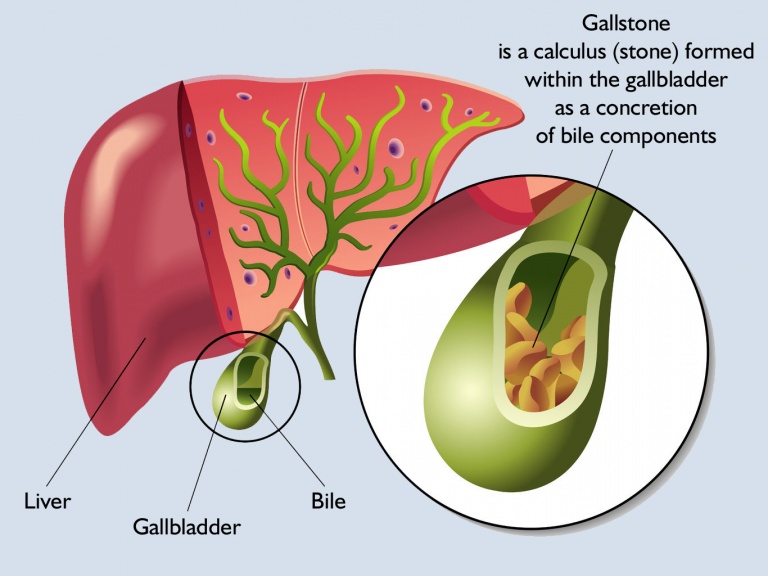
The gallbladder is a small organ located just under the liver that plays a vital role in digestion by storing bile, which helps in breaking down fats. However, when bile composition becomes imbalanced, it may lead to the formation of gallstones. These are small, hardened deposits of cholesterol, bile pigments, and calcium salts that can block bile ducts and cause severe pain.
At Saru Hospital, advanced surgical solutions are provided by Dr. Sachin Deore, an experienced GallBladder Surgeon in Nashik. He has successfully performed numerous gallbladder surgeries, including highly complicated cases. In one remarkable surgery, he successfully removed more than 2,200 gallstones from a single patient, showcasing his expertise and precision.
What Are Gallstones?
Gallstones, also called gallbladder stones, are abnormal solid deposits formed inside the gallbladder. While some gallstones may not cause symptoms, others can result in severe pain and digestive issues when they obstruct bile flow.
Causes of Gallstones:
- High levels of cholesterol in the bile
- Chemical imbalance inside the gallbladder
- Biliary infections
- Being overweight or obese, which increases the risk
Family history of gallstones
Common Symptoms of Gallstones
Not all gallstones show symptoms immediately, but when they do, patients may experience:
- Sharp pain in the upper abdomen, ribs, or back
- Pain radiating to the right shoulder
- Nausea and vomiting
- Indigestion or bloating after fatty meals
- Jaundice (yellowing of the skin and eyes) in case of bile duct blockage
Early detection and timely consultation with a specialist are crucial to avoid serious complications.
Advantages of Laparoscopic Gallbladder Surgery
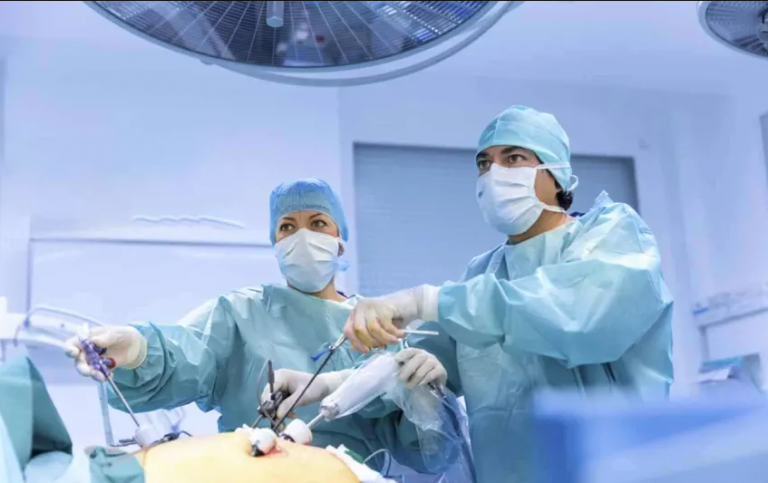
The most common and effective procedure for treating gallstones is Laparoscopic Cholecystectomy. Compared to traditional open surgery, the laparoscopic method has multiple benefits:
- Requires only 4 small incisions instead of a large abdominal cut
- Minimal post-operative pain and discomfort
- Shorter hospital stay; many patients go home the same day
- Faster recovery and return to daily activities
- Smaller scars, leading to better cosmetic results
This modern surgical technique has become the standard of care for gallbladder removal.
Pre-Surgery Guidelines
Before undergoing gallbladder surgery, patients are advised to:
- Complete preoperative tests such as X-ray, ECG, blood tests, and gallbladder ultrasound
- Follow a light, preferably liquid diet for a day before surgery
- Empty the bladder before the procedure
Inform the doctor about any ongoing medications or health issues
Post-Surgery Care
Recovery after gallbladder surgery is generally smooth, but following certain guidelines helps in faster healing:
- Avoid lifting heavy weights for at least a few weeks
- Maintain a healthy, low-fat diet to prevent digestive issues
- Stay physically active with light movements soon after surgery
- Follow the doctor’s prescribed medications and care instructions
Seek medical advice immediately in case of severe pain, fever, or persistent nausea
Expert Care at Saru Hospital
At Saru Hospital, Dr. Sachin Deore provides advanced surgical solutions for gallbladder stones with a focus on patient safety, faster recovery, and long-term results. Along with gallbladder surgeries, he also specializes in treatments for hernia, appendix, piles, varicose veins, and laparoscopic procedures.
Conclusion
Gallstones can cause significant discomfort and complications if not treated on time. With the expertise of Dr. Sachin Deore, a trusted GallBladder Surgeon in Nashik, patients can benefit from advanced laparoscopic surgery that ensures minimal pain, faster healing, and excellent outcomes. If you are experiencing symptoms of gallstones, timely consultation can help you regain a healthy and active lifestyle.
Frequently Asked Questions
1. What are gallstones, and how do they form?
Gallstones are hard deposits that develop inside the gallbladder from cholesterol, bile pigments, or calcium salts. They form when the composition of bile becomes imbalanced, causing solid particles to accumulate over time. Some gallstones remain symptom-free, while others can block the bile ducts and cause severe pain.
2. What are the common symptoms of gallstones?
Many people with gallstones may not experience symptoms initially. However, when symptoms occur, they commonly include:
- Sudden pain in the upper right abdomen
- Pain that spreads to the back or right shoulder
- Nausea and vomiting
- Indigestion after eating fatty foods
- Bloating
- Jaundice if a bile duct becomes blocked
3. Who is at a higher risk of developing gallstones?
The risk of gallstones is higher in people who:
- Are overweight or obese
- Have high cholesterol levels
- Have a family history of gallstones
- Experience chemical imbalance in bile
- Have biliary infections
- Consume a high-fat diet or have certain metabolic conditions
4. When is gallbladder surgery recommended?
Gallbladder surgery is usually recommended when gallstones cause repeated pain, inflammation, infection, blockage of the bile duct, or other complications. Symptomatic gallstones often require surgical removal of the gallbladder to prevent future problems.
5. What are the benefits of laparoscopic gallbladder surgery?
Laparoscopic gallbladder surgery offers several advantages over traditional open surgery, including:
- Small incisions
- Less post-operative pain
- Minimal scarring
- Shorter hospital stay
- Faster recovery
- Early return to normal daily activities
6. What precautions should I follow after gallbladder surgery?
After surgery, patients are generally advised to:
- Eat a healthy, low-fat diet during recovery
- Avoid lifting heavy objects for a few weeks
- Walk regularly to improve circulation
- Take medications as prescribed
- Contact the doctor if severe pain, fever, or persistent vomiting occurs
7. Can I live a normal life without a gallbladder?
Yes. The liver continues to produce bile even after the gallbladder is removed. Most people can digest food normally and return to their regular lifestyle after recovery, although some may benefit from limiting very fatty meals in the initial recovery period.
8. How can I reduce the risk of gallstones?
Although gallstones cannot always be prevented, you can lower your risk by:
- Maintaining a healthy body weight
- Following a balanced diet rich in fruits, vegetables, and fiber
- Limiting foods high in saturated fat
- Exercising regularly
- Avoiding rapid weight loss or crash dieting