
Laparoscopic Hernia Surgeon in Nashik
If left untreated, it may cause discomfort, pain, and sometimes dangerous complications. For advanced treatment, Dr. Sachin Deore, an experienced Hernia Surgeon in Nashik, offers safe and effective laparoscopic hernia surgery, ensuring faster recovery and minimal discomfort for patients.
What Causes a Hernia?
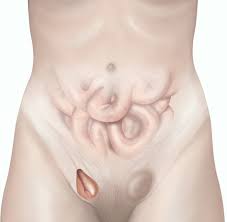 1. Constant strain or external pressure on the abdomen
2. Chronic constipation leading to forceful bowel movements
3. Heavy weight lifting without proper precautions
4. Aging, which weakens abdominal muscles over time
5. Prolonged coughing or sneezing due to respiratory illness
6. Obesity or excessive body weight putting stress on the abdominal wall
7. Previous abdominal surgeries that weaken muscle layers
Symptoms of a Hernia
1. Visible Lump or Bulge
One of the most common signs is a bulge in the abdomen or groin, which becomes more noticeable when standing, coughing, or straining.
2. Pain and Discomfort
Patients may experience sharp or dull pain in the groin or abdomen, which worsens during physical activity or lifting.
3. Advanced Symptoms – Strangulated Hernia
In severe cases, a hernia may become strangulated, cutting off blood supply to the intestine. This condition can cause nausea, vomiting, fever, and severe pain, requiring immediate surgery.
With modern advancements, laparoscopic hernia surgery has become the preferred treatment over traditional open surgery. Its benefits include:
- Shorter surgery time compared to open procedures
- Minimal post-operative pain
- Daycare procedure – many patients go home the same day after monitoring
- Quicker recovery – patients can resume routine activities within a week
- Smaller incisions and minimal scarring, offering better cosmetic outcomesReduced chances of recurrence when performed by an expert
Pre-Surgery Instructions
1. Discuss their complete medical history with the doctor, including ongoing medications
2. Undergo necessary investigations like blood tests, ECG, or imaging, as advised
3. Follow a light meal plan before surgery
4. Take adequate rest to keep the body prepared for anesthesia and recovery
Post-Surgery Care
1. Start with small sips of water, then resume a regular diet within a few hours unless otherwise instructed
2. Avoid strenuous physical activities or lifting heavy weights for a few weeks
3. Follow the medication and wound-care instructions given by the doctor
4. Arrange for a responsible adult to accompany you home and stay for 24 hours due to anesthesia effects
5. Seek immediate medical help in case of persistent pain, fever, or swelling
Comprehensive Care at Saru Hospital
Conclusion
Know more about Hernia Treatment from Laparoscopic Surgeon in Nashik Dr. Sachin Deore.
Frequently Asked Questions
1. What is a hernia, and why does it occur?
A hernia occurs when an internal organ or fatty tissue pushes through a weak area in the abdominal muscle or surrounding tissue. It commonly develops due to a combination of muscle weakness and increased pressure on the abdomen caused by heavy lifting, chronic coughing, constipation, obesity, or aging.
2. What are the common symptoms of a hernia?
The symptoms of a hernia may include:
- A visible bulge in the abdomen or groin
- Pain or discomfort while lifting, bending, or coughing
- A feeling of heaviness or pressure in the affected area
- Swelling that becomes more noticeable when standing
- Severe pain, nausea, or vomiting in complicated cases requiring immediate medical attention.
3. Can a hernia heal without surgery?
No. A hernia does not heal on its own because the weakness in the abdominal wall remains. While some small hernias may not cause symptoms initially, they can enlarge over time and may eventually require surgical repair to prevent complications.
4. What are the benefits of laparoscopic hernia surgery?
Laparoscopic hernia surgery is a minimally invasive technique that offers several benefits, including:
- Smaller incisions
- Less pain after surgery
- Minimal scarring
- Reduced hospital stay
- Faster recovery
- Early return to daily activities
- Lower risk of recurrence when performed by an experienced surgeon.
5. How long does it take to recover after hernia surgery?
Recovery depends on the type of hernia and the surgical technique used. Most patients who undergo laparoscopic hernia repair can start walking on the same day and gradually return to routine activities within one to two weeks, while avoiding heavy lifting until advised by their surgeon.
6. What precautions should I take after hernia surgery?
After hernia surgery, it is important to:
- Avoid lifting heavy objects for a few weeks
- Follow the prescribed medications
- Keep the surgical wound clean and dry
- Walk regularly to improve circulation
- Attend scheduled follow-up appointments
- Contact your doctor if you develop fever, persistent pain, or swelling around the surgical site.
7. What happens if a hernia is left untreated?
If left untreated, a hernia may gradually increase in size and become painful. In some cases, it can become incarcerated or strangulated, cutting off the blood supply to the trapped tissue. This is a medical emergency that requires immediate surgical treatment.
8. Who is at a higher risk of developing a hernia?
People who may have a higher risk of developing a hernia include:
- Individuals who frequently lift heavy weights
- People with chronic constipation or persistent coughing
- Those who are overweight or obese
- Older adults with weakened abdominal muscles
- Individuals who have undergone previous abdominal surgery
- People with a family history of hernias.