What Is Laparoscopic Cholecystectomy? Symptoms, Procedure & Recovery
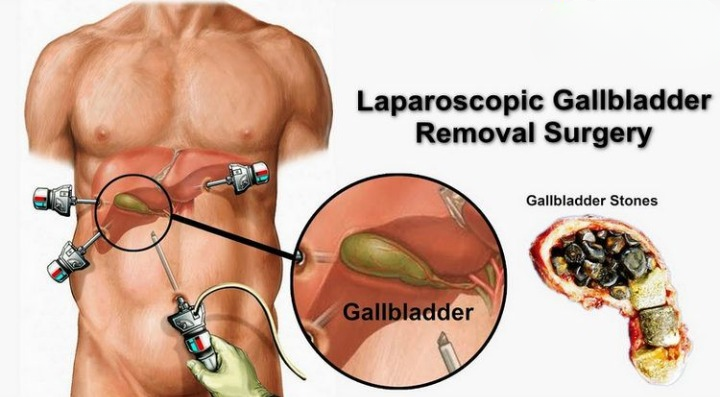
Dr. Sachin Deore Laparoscopic Surgeon in Nashik Home > GallBladder Surgeon in Nashik > What Is Laparoscopic Cholecystectomy? Symptoms, Procedure & Recovery What Is Laparoscopic Cholecystectomy? Symptoms, Procedure & Recovery Published OnJanuary 22, 2026 Dr. Sachin Deore GallBladder Surgeon in Nashik Gallbladder disorders are a common cause of abdominal discomfort and digestive issues. When gallstones or inflammation begin to affect daily life, surgical removal of the gallbladder is often the most effective long-term solution. Laparoscopic cholecystectomy is a modern, minimally invasive technique that ensures better recovery and reduced postoperative discomfort. Choosing a skilled GallBladder Surgeon in Nashik plays a vital role in ensuring a safe procedure and positive surgical outcomes. Understanding the Gallbladder The gallbladder is a small organ located below the liver that stores bile, a digestive fluid essential for breaking down fats. While it supports digestion, the gallbladder is not essential for survival. When it becomes diseased, removal does not significantly affect digestion in most individuals. Problems arise when bile forms hardened deposits known as gallstones or when inflammation develops. These conditions can lead to pain, nausea, and digestive disturbances, making surgical intervention necessary. What Is Laparoscopic Cholecystectomy? Laparoscopic cholecystectomy is a minimally invasive surgical procedure used to remove the gallbladder through small abdominal incisions. A thin camera-equipped instrument called a laparoscope allows surgeons to view the internal organs clearly while specialized tools perform the surgery with precision. Compared to open surgery, laparoscopic cholecystectomy results in less pain, smaller scars, reduced hospital stay, and quicker recovery, making it the preferred technique for gallbladder removal. Conditions That Require Gallbladder Removal Gallbladder surgery is usually recommended when symptoms persist or complications arise. Common conditions include: Gallstones (Cholelithiasis): Hardened bile deposits blocking bile flow Acute or Chronic Cholecystitis: Gallbladder inflammation Biliary Colic: Sudden abdominal pain due to gallstone obstruction Gallbladder Infection: Recurrent infections requiring definitive treatment Gallbladder Dysfunction: Poor bile emptying causing digestive issues Ignoring these conditions may lead to severe complications involving the liver or pancreas. Common Symptoms of Gallbladder Problems Gallbladder disorders often present with noticeable symptoms, such as: Pain in the upper right abdomen Discomfort after consuming fatty foods Nausea or vomiting Bloating and indigestion Fever in inflammatory conditions Yellowing of skin or eyes in severe cases Persistent or worsening symptoms often indicate the need for surgical intervention. How Laparoscopic Cholecystectomy Is Performed The procedure is carried out under general anesthesia and typically follows these steps: Preoperative Preparation: Blood tests and imaging confirm diagnosis Small Incisions: Usually three to four small cuts are made Laparoscope Insertion: A camera provides a magnified internal view Gallbladder Removal: The gallbladder is carefully detached and removed Closure: Incisions are closed with minimal scarring The surgery usually takes 45 minutes to one hour, depending on the complexity of the case. Benefits of Laparoscopic Gallbladder Surgery Laparoscopic cholecystectomy offers multiple advantages: Minimal blood loss Reduced postoperative pain Smaller scars with better cosmetic results Lower risk of infection Shorter hospital stay Faster return to routine activities These benefits have made laparoscopic surgery the standard approach for gallbladder removal. Role of a Laparoscopic Surgeon Successful gallbladder surgery depends on precision and surgical expertise. An experienced Laparoscopic Surgeon in Nashik uses advanced techniques and modern equipment to ensure accuracy and patient safety. Expertise plays a crucial role in reducing complications and improving recovery outcomes. Recovery After Laparoscopic Cholecystectomy Recovery after laparoscopic surgery is generally smooth and faster compared to open surgery. Most patients are discharged within one or two days. Typical Recovery Timeline: First 2–3 days: Mild discomfort managed with medication 1 week: Light daily activities resumed 2–3 weeks: Return to normal routine 4–6 weeks: Complete internal healing Patients are advised to avoid heavy lifting and follow postoperative instructions carefully during recovery. Diet and Lifestyle After Gallbladder Removal Following gallbladder removal, bile flows directly from the liver to the intestine. Most people digest food normally, but a few dietary adjustments help in the initial phase: Eat small, frequent meals Reduce fatty and fried foods temporarily Increase fiber intake gradually Maintain adequate hydration Over time, most individuals return to their usual diet without discomfort. Possible Risks and Complications Laparoscopic cholecystectomy is considered safe, but like all surgeries, it carries minimal risks: Infection at incision sites Bleeding Bile leakage Injury to nearby structures (rare) These risks are significantly reduced when the procedure is performed by an experienced surgical team following standardized protocols. Who Can Undergo Laparoscopic Cholecystectomy? Most patients with symptomatic gallstones or gallbladder inflammation are suitable candidates. However, those with severe infection, extensive scarring from previous surgeries, or complex anatomy may require additional evaluation before surgery. Conclusion Laparoscopic cholecystectomy is a reliable and effective solution for gallbladder disorders, offering long-term relief with minimal disruption to daily life. Early diagnosis and timely surgical intervention help prevent complications and improve quality of life. Choosing a trusted GallBladder Surgeon in Nashik ensures surgical precision, safety, and smooth recovery, enabling patients to regain comfort and confidence after treatment. Frequently Asked Questions Is gallbladder removal painful? Pain is usually mild and short-lived due to the minimally invasive approach. Can gallstones recur after surgery? No, gallstones cannot recur once the gallbladder is removed. Is life normal without a gallbladder? Yes, most people live a healthy life without digestive issues. How soon can normal work resume? Most individuals return to work within one to two weeks.