Is Laser Treatment a Permanent Solution for Piles?
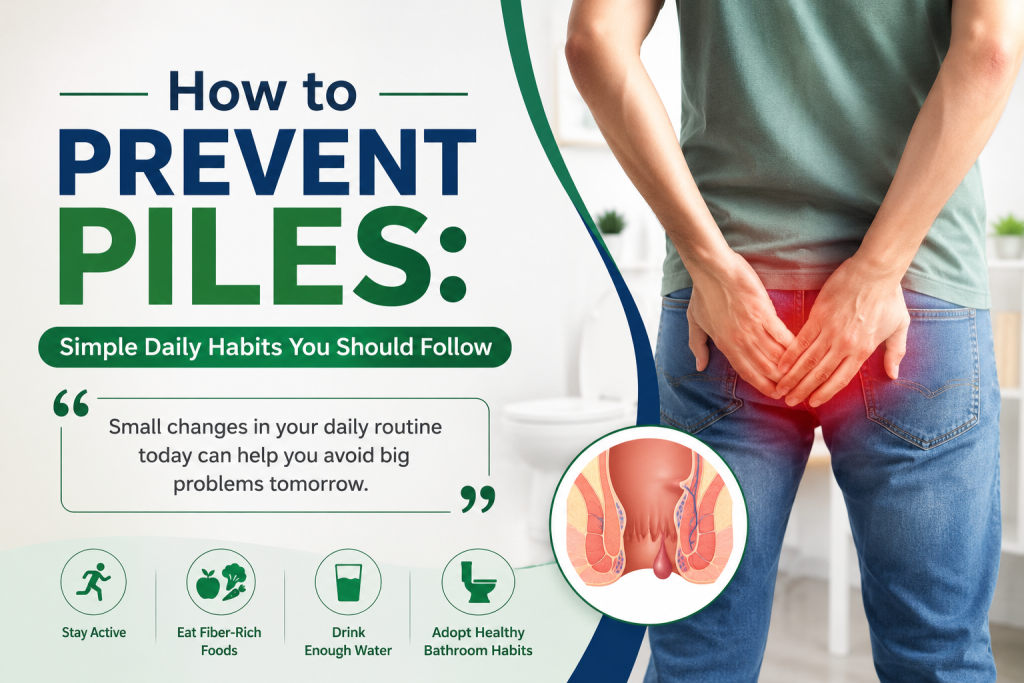
Dr. Sachin Deore Laparoscopic Surgeon in Nashik Home > Is Laser Treatment a Permanent Solution for Piles? Published On August 28, 2026 Dr. Sachin Deore GallBladder Surgeon in Nashik If you are considering Laser Treatment for Piles in Nashik, one of the most common questions is whether laser treatment can permanently prevent piles from coming back. Laser treatment is a minimally invasive option that can effectively treat suitable hemorrhoids and may offer long-term relief. However, the possibility of recurrence depends on several factors, including bowel habits, constipation, diet, lifestyle, the severity of piles, and the treatment approach selected by the surgeon. What Are Piles? Piles, also called hemorrhoids, are swollen blood vessels and supporting tissues around the lower rectum and anus. They can develop due to increased pressure in this area and may cause symptoms such as bleeding, discomfort, itching, swelling, or a lump around the anus. Piles are generally classified into two main types: Internal piles: Develop inside the rectum and may cause bleeding or prolapse. External piles: Develop under the skin around the anus and may cause swelling, discomfort, or pain. The symptoms and severity can vary from one person to another. Therefore, proper evaluation is important before deciding on a treatment. What Is Laser Treatment for Piles? Laser treatment is a minimally invasive technique used to treat selected cases of hemorrhoids. During the procedure, controlled laser energy is directed at the affected hemorrhoidal tissue. Depending on the technique used, the treatment aims to reduce the blood supply to the enlarged hemorrhoid or shrink the affected tissue. Unlike conventional surgery, some laser techniques involve smaller treatment areas and may result in less postoperative discomfort and a shorter recovery period for suitable patients. How Does Laser Piles Treatment Work? The exact technique depends on the type and grade of piles. After evaluating the condition, the surgeon determines whether laser treatment is appropriate. The procedure generally involves: Evaluation of the hemorrhoids and symptoms. Selection of an appropriate treatment method. Application of controlled laser energy to the affected area. Post-treatment observation and recovery guidance. Follow-up to assess healing. The goal is to treat the problematic hemorrhoidal tissue while minimizing unnecessary damage to surrounding tissues. Is Laser Treatment a Permanent Solution for Piles? Laser treatment can provide long-term relief from existing piles, but it is not possible to guarantee that piles will never develop again. The treatment addresses the hemorrhoids that are present at the time of the procedure. However, factors such as chronic constipation, repeated straining, a low-fiber diet, prolonged sitting, and unhealthy bowel habits can contribute to the development of hemorrhoids in the future. Therefore, maintaining healthy bowel habits after treatment is an important part of reducing the possibility of recurrence. Why Can Piles Return After Treatment? Even after successful treatment, new hemorrhoids may develop if the factors that contributed to the condition continue. Chronic Constipation Passing hard stools can make bowel movements difficult and may lead to repeated straining. Managing constipation is important for maintaining healthy bowel habits. Low-Fiber Diet A diet lacking adequate fiber may contribute to hard stools and constipation. Fruits, vegetables, whole grains, and other fiber-rich foods can support regular bowel movements. Excessive Straining Straining repeatedly during bowel movements can increase pressure around the anal and rectal area. Avoiding unnecessary straining can help reduce this pressure. Prolonged Sitting Spending long periods sitting, particularly on the toilet, can contribute to increased pressure around the anal region. Taking regular movement breaks is a useful lifestyle habit. Lack of Physical Activity A sedentary routine can contribute to constipation and irregular bowel habits. Regular physical activity can support digestive health and bowel regularity. Who May Be Suitable for Laser Treatment? Laser treatment is not necessarily suitable for every person with piles. The appropriate treatment depends on factors such as: Type of hemorrhoids Grade or severity of piles Symptoms Presence of prolapse Previous treatments Overall health Other anorectal conditions A physical examination by a qualified surgeon can help determine the most appropriate treatment option. People searching for Best Laser Piles Treatment Doctors In Nashik should look beyond the treatment name and consider the surgeon’s experience, appropriate diagnosis, treatment options, and follow-up care. Benefits of Laser Treatment for Piles For appropriately selected patients, laser treatment may offer several advantages: Minimally invasive treatment Smaller treatment area Less postoperative discomfort in many cases Minimal bleeding Shorter hospital stay in suitable cases Faster return to routine activities Reduced tissue trauma compared with some conventional approaches The results and recovery experience can vary depending on the grade of piles, individual health, and procedure performed. How Long Does Recovery Take After Laser Piles Treatment? Recovery varies from patient to patient. Some individuals can return to light activities relatively quickly, while others may require additional time depending on the procedure and their overall health. During recovery, your surgeon may recommend: Eating adequate fiber Drinking sufficient water Avoiding constipation Avoiding excessive straining Maintaining appropriate hygiene Taking prescribed medicines as directed Attending follow-up appointments Following postoperative instructions can support proper healing and help reduce the risk of future problems. How Can You Prevent Piles From Coming Back? Laser treatment addresses existing hemorrhoids, but healthy lifestyle habits can help reduce the risk of developing piles again. Eat a Fiber-Rich Diet Include foods such as fruits, vegetables, whole grains, and other naturally fiber-rich foods in your daily diet. Increase fiber gradually if your current intake is low. Stay Hydrated Adequate fluid intake can support softer stools and regular bowel movements. Individual fluid requirements can vary based on health and activity levels. Avoid Straining Do not force bowel movements or spend unnecessarily long periods on the toilet. Stay Physically Active Regular walking and other suitable physical activities can support bowel regularity and overall health. Maintain a Healthy Weight Maintaining a healthy weight through balanced nutrition and physical activity can support overall digestive and vascular health. Laser Treatment vs Traditional Piles Surgery Laser treatment and conventional surgical procedures are different approaches to managing hemorrhoids. Laser techniques may involve less tissue disruption and can