drsachindeore

Author name: Dr. Sachin Deore

GallBladder Surgeon in Nashik

What Is Laparoscopic Cholecystectomy? Symptoms, Procedure & Recovery

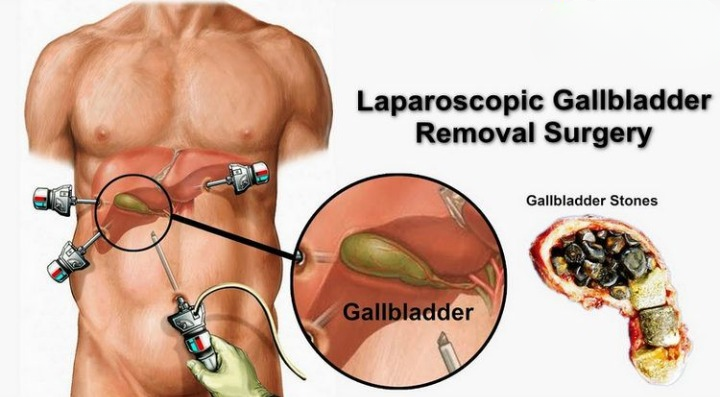
Dr. Sachin Deore Laparoscopic Surgeon in Nashik Home > GallBladder Surgeon in Nashik > What Is Laparoscopic Cholecystectomy? Symptoms, Procedure & Recovery What Is Laparoscopic Cholecystectomy? Symptoms, Procedure & Recovery Published OnJanuary 22, 2026 Dr. Sachin Deore GallBladder Surgeon in Nashik  Gallbladder disorders are a common cause of abdominal discomfort and digestive issues. When gallstones or inflammation begin to affect daily life, surgical removal of the gallbladder is often the most effective long-term solution. Laparoscopic cholecystectomy is a modern, minimally invasive technique that ensures better recovery and reduced postoperative discomfort. Choosing a skilled GallBladder Surgeon in Nashik plays a vital role in ensuring a safe procedure and positive surgical outcomes. Understanding the Gallbladder The gallbladder is a small organ located below the liver that stores bile, a digestive fluid essential for breaking down fats. While it supports digestion, the gallbladder is not essential for survival. When it becomes diseased, removal does not significantly affect digestion in most individuals. Problems arise when bile forms hardened deposits known as gallstones or when inflammation develops. These conditions can lead to pain, nausea, and digestive disturbances, making surgical intervention necessary. What Is Laparoscopic Cholecystectomy? Laparoscopic cholecystectomy is a minimally invasive surgical procedure used to remove the gallbladder through small abdominal incisions. A thin camera-equipped instrument called a laparoscope allows surgeons to view the internal organs clearly while specialized tools perform the surgery with precision. Compared to open surgery, laparoscopic cholecystectomy results in less pain, smaller scars, reduced hospital stay, and quicker recovery, making it the preferred technique for gallbladder removal. Conditions That Require Gallbladder Removal Gallbladder surgery is usually recommended when symptoms persist or complications arise. Common conditions include: Gallstones (Cholelithiasis): Hardened bile deposits blocking bile flow Acute or Chronic Cholecystitis: Gallbladder inflammation Biliary Colic: Sudden abdominal pain due to gallstone obstruction Gallbladder Infection: Recurrent infections requiring definitive treatment Gallbladder Dysfunction: Poor bile emptying causing digestive issues Ignoring these conditions may lead to severe complications involving the liver or pancreas.   Common Symptoms of Gallbladder Problems Gallbladder disorders often present with noticeable symptoms, such as: Pain in the upper right abdomen Discomfort after consuming fatty foods Nausea or vomiting Bloating and indigestion Fever in inflammatory conditions Yellowing of skin or eyes in severe cases Persistent or worsening symptoms often indicate the need for surgical intervention. How Laparoscopic Cholecystectomy Is Performed The procedure is carried out under general anesthesia and typically follows these steps: Preoperative Preparation: Blood tests and imaging confirm diagnosis Small Incisions: Usually three to four small cuts are made Laparoscope Insertion: A camera provides a magnified internal view Gallbladder Removal: The gallbladder is carefully detached and removed Closure: Incisions are closed with minimal scarring The surgery usually takes 45 minutes to one hour, depending on the complexity of the case. Benefits of Laparoscopic Gallbladder Surgery Laparoscopic cholecystectomy offers multiple advantages: Minimal blood loss Reduced postoperative pain Smaller scars with better cosmetic results Lower risk of infection Shorter hospital stay Faster return to routine activities These benefits have made laparoscopic surgery the standard approach for gallbladder removal. Role of a Laparoscopic Surgeon Successful gallbladder surgery depends on precision and surgical expertise. An experienced Laparoscopic Surgeon in Nashik uses advanced techniques and modern equipment to ensure accuracy and patient safety. Expertise plays a crucial role in reducing complications and improving recovery outcomes. Recovery After Laparoscopic Cholecystectomy Recovery after laparoscopic surgery is generally smooth and faster compared to open surgery. Most patients are discharged within one or two days. Typical Recovery Timeline: First 2–3 days: Mild discomfort managed with medication 1 week: Light daily activities resumed 2–3 weeks: Return to normal routine 4–6 weeks: Complete internal healing Patients are advised to avoid heavy lifting and follow postoperative instructions carefully during recovery. Diet and Lifestyle After Gallbladder Removal Following gallbladder removal, bile flows directly from the liver to the intestine. Most people digest food normally, but a few dietary adjustments help in the initial phase: Eat small, frequent meals Reduce fatty and fried foods temporarily Increase fiber intake gradually Maintain adequate hydration Over time, most individuals return to their usual diet without discomfort. Possible Risks and Complications Laparoscopic cholecystectomy is considered safe, but like all surgeries, it carries minimal risks: Infection at incision sites Bleeding Bile leakage Injury to nearby structures (rare) These risks are significantly reduced when the procedure is performed by an experienced surgical team following standardized protocols. Who Can Undergo Laparoscopic Cholecystectomy? Most patients with symptomatic gallstones or gallbladder inflammation are suitable candidates. However, those with severe infection, extensive scarring from previous surgeries, or complex anatomy may require additional evaluation before surgery. Conclusion Laparoscopic cholecystectomy is a reliable and effective solution for gallbladder disorders, offering long-term relief with minimal disruption to daily life. Early diagnosis and timely surgical intervention help prevent complications and improve quality of life. Choosing a trusted GallBladder Surgeon in Nashik ensures surgical precision, safety, and smooth recovery, enabling patients to regain comfort and confidence after treatment. Frequently Asked Questions Is gallbladder removal painful? Pain is usually mild and short-lived due to the minimally invasive approach. Can gallstones recur after surgery? No, gallstones cannot recur once the gallbladder is removed. Is life normal without a gallbladder? Yes, most people live a healthy life without digestive issues. How soon can normal work resume? Most individuals return to work within one to two weeks.
Hernia

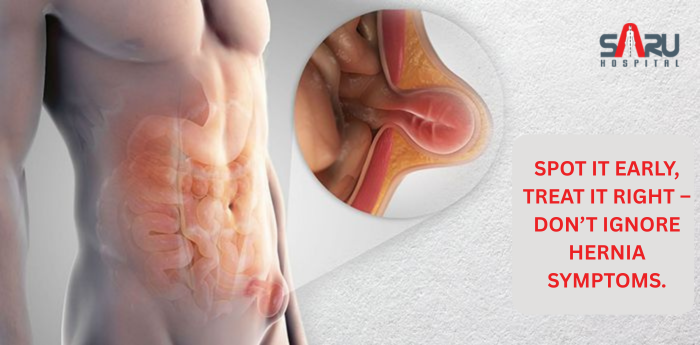
Early Hernia Symptoms You Should Never Ignore

Dr. Sachin Deore Laparoscopic Surgeon in Nashik Home > Hernia > Early Hernia Symptoms You Should Never Ignore Early Hernia Symptoms You Should Never Ignore   Published OnJanuary 22, 2026 Dr. Sachin Deore GallBladder Surgeon in Nashik A hernia is often underestimated because its early signs may seem mild or harmless. Many people continue their daily routine without realizing that a small bulge or discomfort can signal a serious underlying issue. Ignoring these symptoms can lead to complications that require emergency care. Consulting an experienced Hernia Surgeon in Nashik at the right stage ensures timely treatment, prevents risks, and supports faster recovery. What Is a Hernia? A hernia develops when an internal organ or fatty tissue pushes through a weak or damaged area of muscle or connective tissue. This weakness allows the tissue to protrude outward, forming a visible or noticeable bulge. Hernias most commonly occur in the abdomen, groin, or near surgical scars. Factors such as heavy lifting, obesity, pregnancy, chronic coughing, constipation, aging, or previous surgeries can increase the risk. While hernias may begin without pain, they usually progress over time if left untreated. Common Early Hernia Symptoms Identifying hernia symptoms at an early stage is crucial. Some of the most common early warning signs include: Visible or Palpable Bulge A lump or bulge is often the first noticeable symptom. It may appear while standing, coughing, laughing, or lifting heavy objects and disappear when lying down. The size of the bulge can gradually increase over time. Pain, Discomfort, or Burning Sensation Mild pain or discomfort around the affected area is common, especially during physical activity. Some people describe a burning, aching, or pulling sensation that worsens with exertion. Feeling of Pressure or Heaviness A persistent sensation of pressure, heaviness, or weakness in the abdomen or groin is another early indicator. This feeling may intensify toward the end of the day or after long periods of standing. Pain While Bending, Lifting, or Exercising Pain during movements such as bending forward, lifting weights, or exercising may suggest a developing hernia, particularly in people with physically demanding jobs or active lifestyles. Hernia Symptoms in Men and Women Hernia symptoms can differ between men and women due to anatomical variations. In men, inguinal hernias are more common. Symptoms may include groin pain, swelling extending into the scrotum, or discomfort while coughing and lifting. In women, femoral and umbilical hernias are more frequently seen. These may cause deep pelvic pain, abdominal discomfort, or swelling near the navel. During pregnancy, hernia symptoms may become more noticeable due to increased abdominal pressure Types of Hernia and Their Symptoms Understanding different hernia types helps in recognizing symptoms early. Inguinal Hernia Bulge in the groin area Pain during coughing, bending, or lifting Weakness or pressure in the lower abdomen Umbilical Hernia Swelling or bulge near the belly button Pain or tenderness around the navel Incisional Hernia Bulge near a previous surgical scar Discomfort that worsens while standing or straining Hiatal Hernia Acid reflux and heartburn Chest discomfort Difficulty swallowing Patients seeking expert evaluation often consult a Hernia Surgeon in Gangapur Rd, Nashik for accurate diagnosis and personalized treatment based on the hernia type and severity. When Hernia Symptoms Become a Medical Emergency Certain symptoms indicate a serious complication and require immediate medical attention: Sudden or severe pain Redness, swelling, or warmth over the bulge Nausea, vomiting, or fever A bulge that becomes hard, painful, or cannot be pushed back These signs may indicate a strangulated hernia, where blood supply to the trapped tissue is cut off. This condition is life-threatening and requires urgent surgery. What Happens If a Hernia Is Left Untreated? Leaving a hernia untreated can cause the condition to worsen gradually. The bulge may increase in size, leading to persistent pain and restricted movement. Over time, the hernia can trap intestinal tissue, increasing the risk of obstruction or strangulation. Delayed treatment often results in emergency surgery, which carries higher risks and longer recovery compared to planned procedures. Early intervention is always safer and more effective. When Should You See a Doctor for Hernia Symptoms? You should consult a doctor as soon as you notice: A new or growing bulge Persistent abdominal or groin pain Discomfort affecting daily activities Doctors typically diagnose hernia through a physical examination and may recommend imaging tests such as ultrasound, CT scan, or MRI to confirm the diagnosis and plan treatment. Can Hernia Be Managed Without Surgery? Lifestyle changes like avoiding heavy lifting, maintaining a healthy weight, and managing chronic cough or constipation may temporarily reduce symptoms. Support belts may offer short-term relief in select cases. However, surgery is the only permanent solution for hernia. Modern techniques, especially laparoscopic hernia repair, are minimally invasive and provide faster recovery, less pain, and a lower chance of recurrence. Tips to Reduce the Risk of Hernia While not all hernias are preventable, you can lower the risk by: Using proper lifting techniques Maintaining a healthy body weight Treating chronic cough and constipation early Avoiding smoking Strengthening core muscles under professional guidance Conclusion Early recognition of hernia symptoms can prevent complications and reduce the need for emergency surgery. If you notice a bulge, discomfort, or persistent pain, seeking timely medical advice is essential. Consulting a qualified Hernia Surgeon in Nashik ensures accurate diagnosis, advanced treatment, and a safe return to daily life. Frequently Asked Questions (FAQs) Can a hernia heal without treatment? No, a hernia does not heal on its own. Without treatment, it usually increases in size and severity. Are hernias always painful? Not necessarily. Some hernias are painless in the early stages, which often leads to delayed diagnosis. Is hernia surgery safe? Yes, hernia surgery is a commonly performed and safe procedure when done by an experienced surgeon. How long does it take to recover from hernia surgery? Recovery depends on the type of surgery, but many patients return to normal activities within 1–3 weeks after laparoscopic repair. Can hernia come back after surgery? Recurrence is rare when surgery is done properly, especially with modern mesh repair techniques.

Uncategorized

Pilonidal Sinus: Causes, Symptoms, and Advanced Laser Treatment for Faster Healing

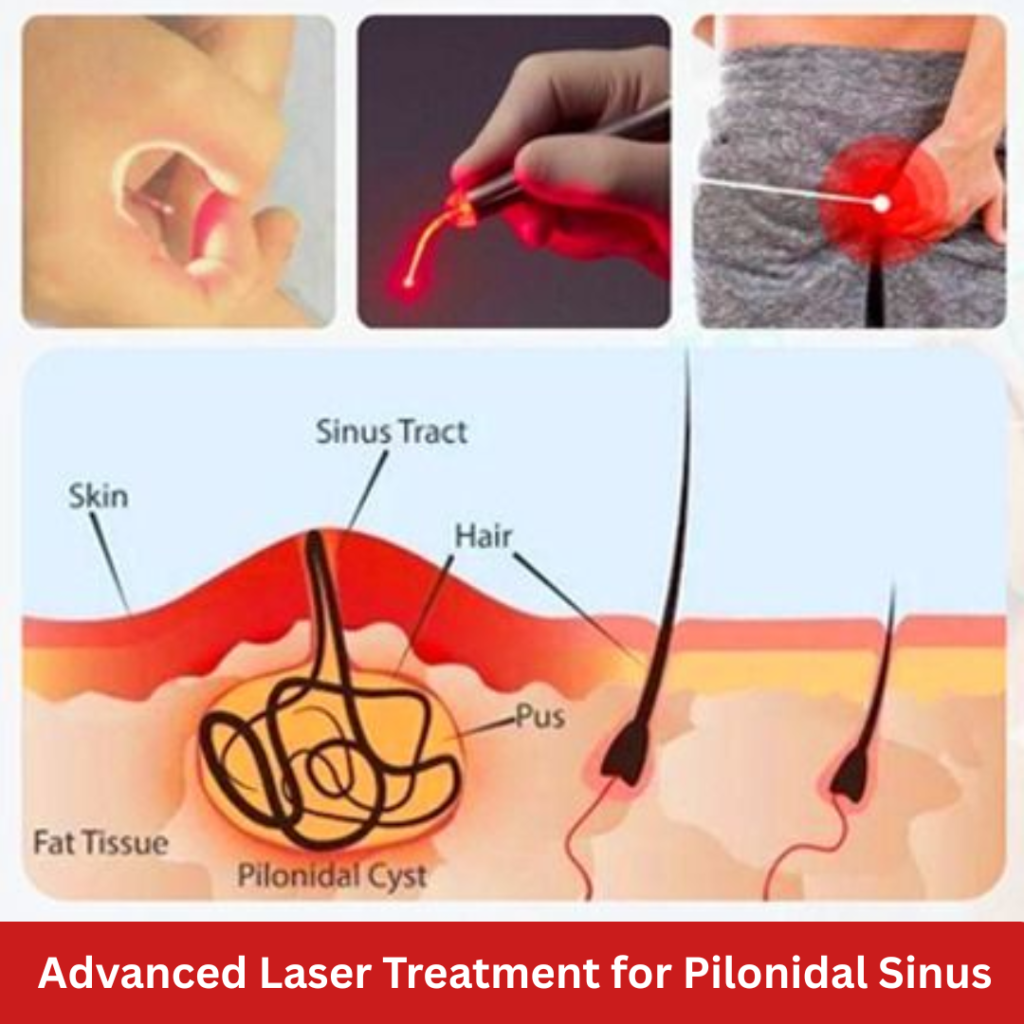
Dr. Sachin Deore Laparoscopic Surgeon in Nashik Home >  Uncategorized > Pilonidal Sinus: Causes, Symptoms, and Advanced Laser Treatment for Faster Healing Pilonidal Sinus: Causes, Symptoms, and Advanced Laser Treatment for Faster Healing Published OnJanuary 22, 2026 Dr. Sachin Deore GallBladder Surgeon in Nashik A pilonidal sinus is a common condition that often starts quietly but can become painful if left untreated. Typically located near the tailbone, it can cause discomfort while sitting, walking, or performing daily activities. Many people delay seeking medical help, assuming it will heal on its own. However, ignoring it can lead to infections, chronic discomfort, and recurrence. Opting for timely Pilonidal Sinus Treatment in Nashik, including modern laser treatment, can effectively manage the condition and prevent long-term complications. What Is a Pilonidal Sinus? A pilonidal sinus is a small tunnel or cavity under the skin near the cleft between the buttocks. It often traps hair, dead skin, and debris, which can lead to irritation and infection over time. While not life-threatening, it can significantly affect daily life if neglected. Causes of Pilonidal Sinus The condition usually develops when hair penetrates the skin, causing the body to form an infected tract. Common factors include: Sitting for long hours without breaks Excess hair in the tailbone area Friction and sweating Poor hygiene Obesity or sudden weight changes Family history of pilonidal disease   These factors increase the likelihood of hair embedding under the skin, leading to sinus formation. Symptoms to Watch For   Symptoms may vary depending on the severity of the sinus. Early signs are often overlooked, which can worsen the condition. Typical symptoms include: Pain or tenderness near the tailbone Swelling or redness Fluid or pus discharge Foul odor from the affected area Fever during infection Difficulty sitting comfortably   Types of Pilonidal Sinus Acute abscess: Sudden pain and swelling Chronic sinus: Continuous discharge Recurrent sinus: Returns even after treatment Identifying the type is crucial for determining the right treatment approach. Diagnosis Pilonidal sinus is usually diagnosed through a physical examination by a doctor, who checks for openings, swelling, or discharge. For recurrent or complex cases, further assessment may be performed to plan treatment. Treatment Options Treatment depends on the severity and presence of infection. Non-Surgical Care:Mild cases may be managed through hygiene, hair removal, and observation. Antibiotics can help control infection temporarily but do not eliminate the sinus. Drainage of Infection:If an abscess develops, surgical drainage is required to remove pus and relieve pain. While effective for immediate relief, recurrence is still possible. Definitive Surgical Treatment:For chronic or recurring cases, surgery is often the best option. An experienced General Surgeon in Nashik can remove the sinus tract to reduce recurrence risk. Laser Treatment for Pilonidal Sinus:Modern laser treatment has emerged as a highly effective option for pilonidal sinus. It is minimally invasive and targets the sinus tract precisely, reducing trauma to surrounding tissue. Benefits of Laser Treatment: Smaller incision and minimal scarring Reduced post-procedure pain Faster recovery and quicker return to daily activities Lower risk of infection Decreased chance of recurrence   Laser treatment combines the precision of surgery with faster healing, making it an excellent choice for patients seeking a comfortable and long-term solution. Recovery and Aftercare Recovery depends on the treatment type. Most patients resume light activities within a few days. Key care tips include: Keep the area clean and dry Avoid prolonged sitting Follow hair removal guidance Wear loose-fitting clothing Attend follow-up appointments Proper care during recovery significantly reduces the risk of recurrence. Risks of Ignoring Pilonidal Sinus Without treatment, the sinus may lead to: Repeated infections Multiple sinus tracts Chronic discharge and discomfort Reduced quality of life Early treatment prevents these complications. Prevention Tips Although not always preventable, these measures help reduce risk: Maintain hygiene Avoid long periods of sitting Keep the area free of excess hair Maintain a healthy weight When to Seek Medical Advice Persistent pain, swelling, or discharge near the tailbone should never be ignored. Early consultation ensures effective treatment and long-term relief. Conclusion Pilonidal sinus can be painful and recurring, but modern treatments like laser therapy offer reliable solutions. Early diagnosis, appropriate treatment, and proper recovery care make a significant difference. Choosing Pilonidal Sinus Treatment in Nashik, especially with laser therapy, ensures faster healing, minimal discomfort, and long-term relief. Frequently Asked Questions Is pilonidal sinus dangerous?It is usually not life-threatening but can cause repeated infections if untreated. Does pilonidal sinus always need surgery?Mild cases may not, but chronic or recurrent sinuses often require surgical or laser treatment. How long does healing take after treatment?Recovery varies, but laser treatment typically allows faster healing within a few weeks. Can pilonidal sinus return after treatment?Recurrence is possible, but laser and modern surgical methods significantly reduce the risk. Can lifestyle changes help prevent pilonidal sinus?Yes, maintaining hygiene and avoiding prolonged sitting can lower risk.

Appendix Surgeon in Nashik

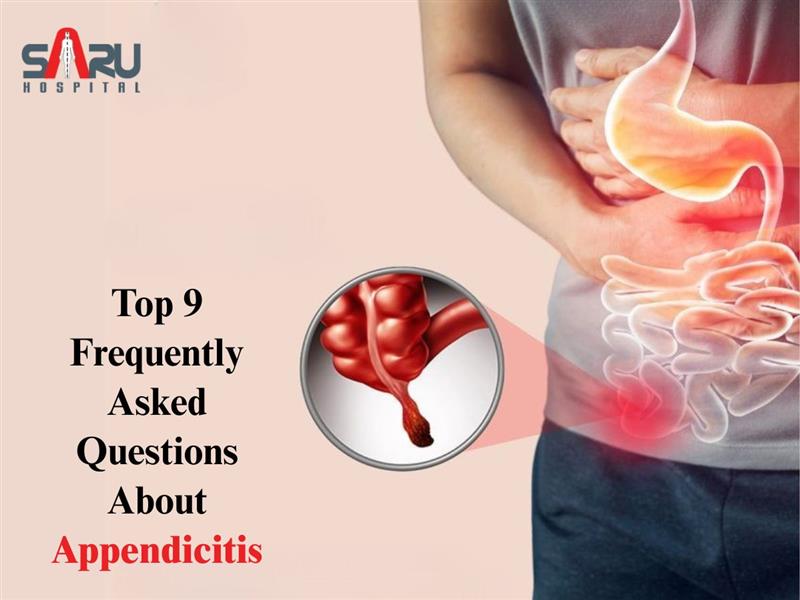
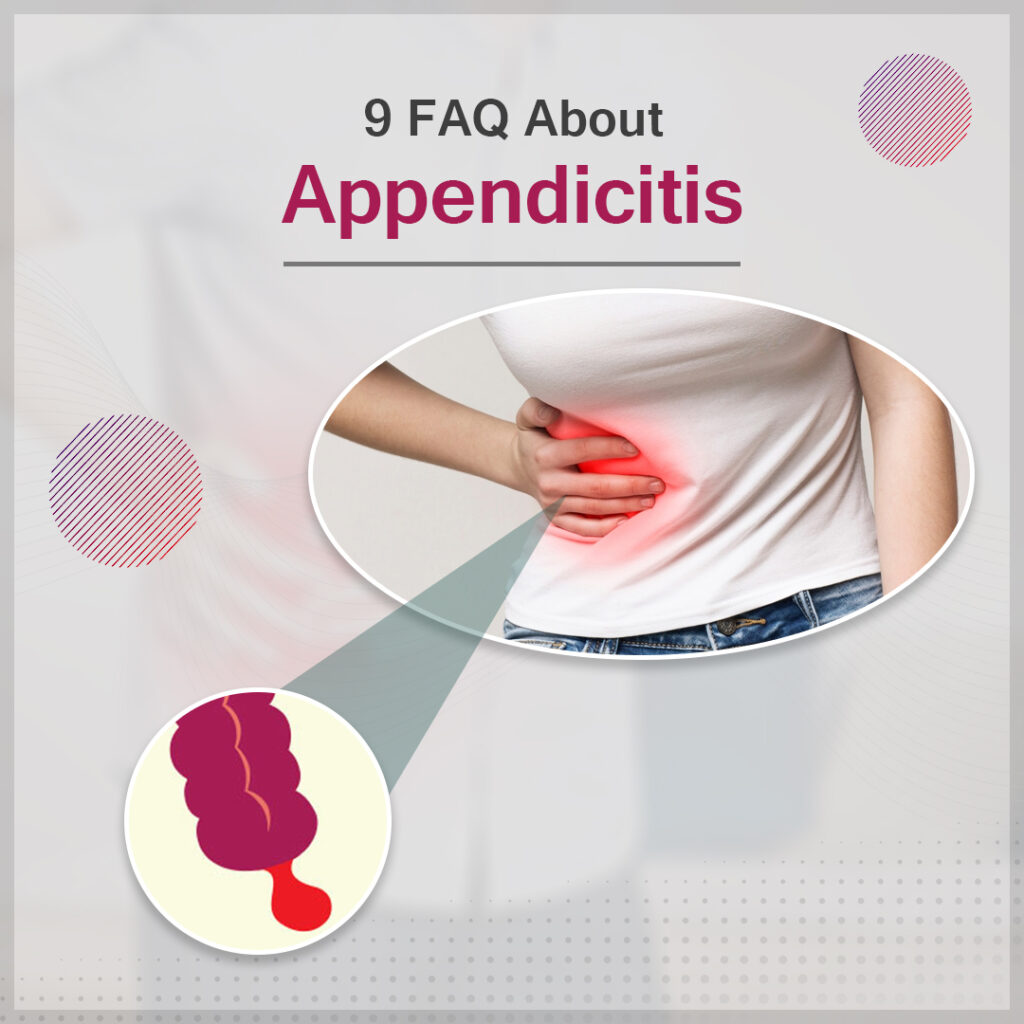
Top 9 Frequently Asked Questions About Appendicitis

Dr. Sachin Deore Laparoscopic Surgeon in Nashik Home > Appendix Surgeon in Nashik >  Top 9 Frequently Asked Questions About Appendicitis Top 9 Frequently Asked Questions About Appendicitis Published OnJanuary 22, 2026 Dr. Sachin Deore GallBladder Surgeon in Nashik Appendicitis is one of the most common emergency surgical conditions, yet many people are confused about what it is, how it happens, and how it is treated. If you or someone you love is experiencing symptoms, understanding this condition can help you act quickly.  In this blog, we answer the 9 most frequently asked questions about appendicitis, along with important facts to help you recognize symptoms and seek timely medical care. If you are in Nashik and suspect appendicitis, you should consult an experienced Appendix Surgeon in Nashik immediately.  Q1: Where is the appendix located in the body? The appendix is a small, tube-like pouch attached to the cecum, which is the beginning of the large intestine. It is positioned in the lower right side of the abdomen, near the point where the small intestine joins the large intestine.  Q2: What exactly is appendicitis? Appendicitis is a medical condition that occurs when the appendix becomes irritated, inflamed, or infected. This typically happens when something blocks the opening of the appendix—such as hardened stool, parasites, or infection—leading to swelling and the buildup of bacteria. As the inflammation progresses, the pain increases and may require urgent medical attention or surgical treatment.  Q3: Is it true that the exact cause of appendicitis is unknown? Yes — true.  There isn’t one single known cause of appendicitis. However, several factors may contribute, including: Obstruction from hardened stool or parasites Growths inside the appendix Inflammatory bowel diseases like Crohn’s disease Infection in the digestive tract Abdominal trauma Q4: What are the common symptoms of appendicitis? Symptoms usually start as mild pain near the belly button, which then moves to the lower right abdomen and becomes sharp and persistent.  Other signs include:  Loss of appetite Nausea or vomiting Abdominal swelling or bloating Fever Constipation or diarrhea Pain that worsens with coughing, movement, or deep breathing Difficulty passing gas Pain in the lower back, rectum, or side If you experience any of these signs, it’s important to get medical attention as soon as possible.  Q5: Is appendicitis a serious medical condition? Yes — appendicitis is considered a medical emergency.  If appendicitis is diagnosed, surgery (appendectomy) is usually needed to prevent complications. Minimally invasive laparoscopic surgery is commonly performed today, allowing faster healing and smaller scars.  Q6: Can appendicitis be life-threatening? Yes. If not treated, appendicitis can be life-threatening.  When the appendix bursts, harmful bacteria can spread into the abdomen, leading to peritonitis, sepsis, and severe infection — all of which can be fatal if not treated promptly.  Q7: Who is most likely to develop appendicitis? Appendicitis can occur at any age, but it is most common among individuals between 10 and 30 years old. Research shows that males are slightly more likely than females to develop the condition.  Q8: Are there long-term effects after appendix removal surgery? Most individuals heal completely within 2 to 6 weeks following appendix removal surgery and return to their usual lifestyle without permanent limitations. The appendix is not essential for normal body function, so living without it does not typically affect overall health.  Like any surgical procedure, there are possible risks such as infection, reaction to anesthesia, or other complications. However, these issues are rare—especially when the procedure is performed by a skilled and experienced surgeon. Q9: Is surgery the only treatment for appendicitis? Not always. While surgery is the most common and effective treatment to prevent rupture, antibiotics may be used in mild cases or for patients who cannot undergo surgery immediately.  However, delaying treatment increases the risk of rupture — which is why timely evaluation by an experienced doctor is crucial.  When Should You See a Doctor?  If you experience symptoms of appendicitis, do not ignore the pain or self-medicate. Early diagnosis can prevent severe complications.  If you’re in Nashik and need expert medical guidance or surgery, consider consulting an experienced Appendix Doctor in Nashik   like those available at drsachindeore.com for proper evaluation and treatment.  Final Thoughts  Appendicitis is common, but it can be dangerous if not treated quickly. Recognizing symptoms early and seeking immediate medical attention can save your life.  If you suspect appendicitis, don’t wait—medical care is essential.  For More Information :– https://www.drsachindeore.com/ 

Laser Treatment for Piles

How Laser Treatment Works for Each Stage of Piles

Dr. Sachin Deore Laparoscopic Surgeon in Nashik Home >  Laser Treatment for Piles  > How Laser Treatment Works for Each Stage of Piles How Laser Treatment Works for Each Stage of Piles   Published OnJanuary 22, 2026 Dr. Sachin Deore GallBladder Surgeon in Nashik Piles, also known as hemorrhoids, are swollen veins in the rectum or anus that can cause discomfort, bleeding, and pain during bowel movements. With the advancement in medical technology, Laser Treatment for Piles in Nashik has become one of the most preferred and effective solutions for patients suffering from different stages of piles. This modern approach ensures faster recovery, minimal pain, and long-term relief compared to conventional surgery. In this blog, we’ll understand the four stages of piles and how laser treatment helps in managing each stage safely and efficiently. Understanding the Stages of Piles Before exploring laser treatment, it’s important to understand how piles progress through different stages: Stage 1: Mild swelling inside the rectum. Bleeding during bowel movements is common, but piles don’t protrude outside. Stage 2: The piles may prolapse or come out during bowel movement but go back inside on their own. Stage 3: The prolapsed piles do not retract automatically and must be pushed back manually. Stage 4: The piles remain permanently outside the anus and may cause severe pain, itching, and infection. Each stage requires a different approach for treatment, depending on the symptoms and severity. Why Choose Laser Treatment for Piles Laser treatment is a breakthrough in the field of proctology. It uses precise laser energy to shrink or remove the hemorrhoidal tissue without major cuts or stitches. This makes it a safe, minimally invasive, and highly effective option for patients. Here are a few reasons why many patients and doctors prefer laser surgery: Painless and bloodless procedure Quick recovery (most patients go home the same day) No major cuts or stitches Minimal recurrence rate Suitable for all stages of piles Laser treatment is often performed by a skilled Piles doctor in Nashik or an experienced Laparoscopic Surgeon who specializes in advanced anorectal procedures. How Laser Treatment Works for Each Stage of Piles Stage 1: Early Laser Correction In the first stage, piles are mostly internal and small in size. Laser therapy is used to gently shrink the swollen veins and stop bleeding. The laser beam seals the affected blood vessels, reducing inflammation and discomfort. The process is quick, usually takes less than 20 minutes, and doesn’t require hospitalization. With early diagnosis and laser correction, patients can prevent piles from progressing to advanced stages. Stage 2: Targeted Laser Shrinking During the second stage, the piles may prolapse temporarily. Laser energy is directed precisely to the affected area, closing off blood supply to the swollen veins. This causes them to shrink and eventually disappear. A Piles doctor in Nashik may suggest dietary changes and medication along with laser therapy to avoid recurrence. Since the procedure is non-invasive, patients experience minimal pain and can return to normal activities within a day. Stage 3: Controlled Laser Removal By the third stage, the piles become larger and prolapse more frequently. Laser treatment in this stage focuses on removing or shrinking the piles tissue using controlled heat energy. The surgeon targets only the diseased tissue, preserving healthy surrounding tissue. The recovery period is short, with less bleeding and minimal risk of infection. Patients usually notice improvement within a few days. A Laparoscopic Surgeon may combine laser hemorrhoidoplasty techniques for better precision and lasting relief. Stage 4: Advanced Laser Hemorrhoidoplasty Stage 4 piles are the most severe and remain permanently outside the anus. In this case, laser treatment is used to vaporize or coagulate the large piles tissue safely. Unlike traditional surgery, there is no cutting or suturing involved, which significantly reduces postoperative pain and bleeding. The precision of laser energy ensures faster healing and minimal complications. An experienced Laparoscopic Surgeon carefully performs the procedure under anesthesia, ensuring safety and comfort throughout. Recovery and Aftercare Following Laser Piles Treatment One of the biggest advantages of laser piles treatment is its fast recovery time. Most patients are discharged on the same day and resume normal activities within 2–3 days. To ensure smooth healing and prevent recurrence, follow these aftercare tips: Eat a fiber-rich diet (fruits, vegetables, whole grains). Drink plenty of water to stay hydrated. Avoid straining during bowel movements. Maintain proper hygiene and avoid long sitting hours. Follow the doctor’s post-procedure instructions carefully. Proper follow-up with your Piles doctor helps track your recovery and ensure the piles don’t return. When to Consult a Specialist You should visit a Piles specialist if you experience symptoms like persistent bleeding, pain, itching, or a lump near the anus. Ignoring these signs can worsen the condition over time. Consult a Laparoscopic Surgeon or piles expert who can evaluate the stage of your condition and recommend the best laser treatment plan tailored to your needs. Conclusion Laser technology has revolutionized the treatment of piles by offering a safe, quick, and effective solution for all stages—from mild to severe. Whether it’s early-stage swelling or advanced prolapsed piles, laser therapy ensures precise treatment with minimal discomfort and downtime. Choosing Laser Treatment for Piles in Nashik gives patients access to modern care, expert surgeons, and long-term relief from this painful condition. Frequently Asked Questions (FAQs) Is laser treatment for piles painful? No, laser treatment is mostly painless. Patients may feel mild discomfort for a day or two, but it’s far less painful than traditional surgery. How long does it take to recover after laser piles treatment? Most patients recover within 2–3 days and can resume daily activities shortly after. Complete healing may take about a week. Is laser treatment suitable for all stages of piles? Yes, laser treatment is effective for all four stages of piles, though the procedure type may vary depending on the severity. Will piles come back after laser treatment? Laser treatment has a very low recurrence rate. However, maintaining a healthy diet and lifestyle is essential to prevent future issues. Who performs laser piles treatment in Nashik? The procedure is performed by an experienced Piles doctor in Nashik or a Laparoscopic Surgeon specialized in advanced anorectal and minimally invasive surgeries. For More Information:- https://www.drsachindeore.com/

Varicose Veins

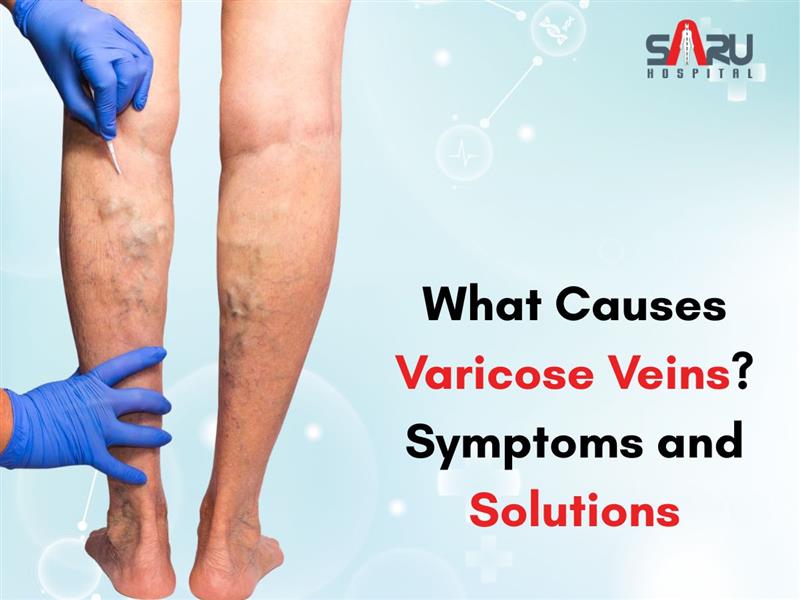
What Causes Varicose Veins? Symptoms and Solutions

Dr. Sachin Deore Laparoscopic Surgeon in Nashik Home > Varicose Veins   >What Causes Varicose Veins? Symptoms and Solutions What Causes Varicose Veins? Symptoms and Solutions Published OnJanuary 22, 2026 Dr. Sachin Deore GallBladder Surgeon in Nashik Varicose veins are swollen and twisted blood vessels that commonly develop in the legs. They develop when the valves in your veins stop working properly, causing blood to pool instead of flowing smoothly back to the heart. This condition is very common and, if left untreated, can lead to discomfort and complications. Thankfully, effective treatments — including Laser Treatment for Varicose Veins in Nashik — are now widely available. Causes of Varicose Veins Weak or damaged valvesVeins have one-way valves to keep blood flowing upward. If they weaken or get damaged, blood can flow backward and pool in the veins, making them swell. AgeAs we age, veins lose elasticity and valves wear out, increasing the risk of varicose veins. GeneticsIf your family members have varicose veins, you are more likely to develop them too. Prolonged standing or sittingOccupations that involve long hours on your feet or sitting without movement put extra pressure on the veins. PregnancyHormonal changes and increased blood volume during pregnancy often cause veins to enlarge. ObesityExcess body weight increases pressure on the veins in your legs. Hormonal changesHormone fluctuations during menopause or while taking hormonal birth control can weaken vein walls. Previous leg injury or surgeryAny damage to the veins can affect blood flow and contribute to varicose veins. Common Symptoms Varicose veins may start as a cosmetic issue but can develop into a medical concern over time. Typical signs and symptoms include:  Dark blue or purple veins visible under the skin   Twisted, bulging veins on the legs   Aching, heaviness, or cramping in the legs   Swelling around the ankles   Burning, itching, or tingling around the veins   Skin discoloration or thickening in severe cases   In advanced cases, skin ulcers near the ankles  If you notice any of these symptoms, especially pain or skin changes, it’s important to consult a vein specialist. Effective Solutions for Varicose Veins The positive news is that varicose veins can be effectively treated. Modern techniques offer fast, safe, and minimally invasive solutions.  Lifestyle ChangesFor mild cases, lifestyle changes can relieve discomfort and prevent the condition from worsening:  Exercise regularly to boost circulation   Elevate your legs whenever possible   Avoid long periods of standing or sitting   Maintain a healthy weight   Wear compression stockings as recommended by your doctor   While these steps won’t remove existing varicose veins, they help manage symptoms.  Sclerotherapy This is a quick, non-surgical procedure where a special solution is injected into the affected vein. The vein collapses and gradually fades over time. It’s best for smaller veins and usually requires no downtime.  Ambulatory Phlebectomy For larger surface veins, doctors may remove the vein through tiny skin incisions. This outpatient procedure is minimally invasive and leaves little to no scarring.  Endovenous Laser Treatment (EVLT)  Laser Treatment for Varicose Veins in Nashik is one of the most advanced options available today. It’s a safe, minimally invasive alternative to traditional vein surgery.              How it works:  Using ultrasound imaging, a fine laser fiber is carefully guided into the affected vein.  Laser energy is applied inside the vein, causing it to close and seal shut.   Blood naturally reroutes to healthy veins.   Gradually, the body breaks down and eliminates the treated vein naturally.            Benefits:  No major incisions   Minimal discomfort   Quick recovery — most patients walk immediately after   High success rates (over 95%)   Performed under local anesthesia   This procedure is ideal for patients looking for effective, fast, and lasting relief from varicose veins. Radiofrequency Ablation & Other TechniquesIn some cases, radiofrequency energy or medical adhesives may be used instead of lasers. Your vein specialist will determine the best treatment depending on the size and location of the affected veins.      Why Choose Laser Treatment in Nashik If you’re looking for expert Laser Treatment for Varicose Veins in Nashik, clinics such as Dr. Sachin Deore’s provide modern, minimally invasive options. The treatment is performed under local anesthesia, often on a day-care basis, with quick recovery times. This allows patients to return to normal activities the same day, making it a preferred choice for busy individuals.  Post-Treatment Care Tips Walk regularly after treatment to improve circulation   Wear compression stockings as advised   Avoid heavy exercise for a few days   Keep the treated area clean and dry   Attend follow-up appointments to ensure proper healing  Following these tips helps ensure long-term results and reduces the chance of recurrence. Frequently Asked Questions (FAQs) Q1. Do varicose veins go away without treatment?  No, they usually worsen over time. Lifestyle changes can help manage symptoms but won’t remove existing veins. Q2. Is laser treatment painful? No, it’s performed under local anesthesia. You might experience slight discomfort for a couple of days after the procedure. Q3. How long is the recovery time?   Most people return to work and daily activities within 24 hours. Q4. Can varicose veins return after laser treatment? Recurrence is rare if treated properly, but maintaining a healthy lifestyle helps prevent new veins from developing.  Q5. Is the procedure safe? Yes. Laser treatment is a well-established, minimally invasive procedure with high success rates and low risk of complications. Conclusion Varicose veins are more than a cosmetic concern — they can impact your comfort and quality of life. Understanding their causes and symptoms helps you take the right steps early. With advancements like Laser Treatment for Varicose Veins in Nashik, you no longer need to live with discomfort or visible veins.  For More Details :- https://www.drsachindeore.com/ 

GallBladder Surgeon in Nashik

Gallstones: Causes, Symptoms, and Treatment

Dr. Sachin Deore Laparoscopic Surgeon in Nashik Home > GallBladder Surgeon in Nashik   > Gallstones: Causes, Symptoms, and Treatment Gallstones: Causes, Symptoms, and Treatment Published OnJanuary 22, 2026 Dr. Sachin Deore GallBladder Surgeon in Nashik Gallstones are a frequent digestive disorder that impacts millions of people across theglobe.They can cause sudden abdominal pain, discomfort, and other serious complicationsif left untreated. Understanding the causes, symptoms, and treatment options is essentialfor early management and better health outcomes. What Are Gallstones? Gallstones are hardened deposits that develop in the gallbladder, a small organ found underthe liver.They can be as small as grains of sand or grow much larger. Not everyone withgallstones experiences symptoms, but when they do, timely treatment is crucial.Causes of Gallstones Different reasons can lead to the development of gallstones. ● Excess cholesterol in bile – When bile contains too much cholesterol, it cancrystallize and form stones.● Poor bile movement – If the gallbladder does not empty completely, bile maybecome concentrated, leading to stones.● High bilirubin levels – Medical conditions like liver disease or infections canincrease bilirubin, contributing to gallstone formation.● Risk factors – Being overweight, a sedentary lifestyle, pregnancy, and family historycan all increase the risk. Symptoms of Gallstones While some people may have “silent” gallstones with no symptoms, others may experience:● Gallstones may form due to a variety of causes.● Discomfort spreading toward the back or the right shoulder.● Nausea or vomiting● Indigestion, bloating, or heartburn● Fever and jaundice (in severe cases due to complications)If these symptoms occur, it’s important to consult a doctor immediately.   Treatment Options for Gallstones The choice of treatment varies based on how severe the symptoms are and whethercomplications are likely.1. Lifestyle changes – In mild cases, dietary adjustments (low-fat diet, weightmanagement) may help.2. Medications – Certain medicines can dissolve gallstones, but this is effective onlyfor small stones and may take months or years.3. Surgery (Cholecystectomy) – The most effective treatment is gallbladder removalsurgery, often performed laparoscopically for faster recovery and minimal scarring.If you are looking for expert surgical care, consulting a GallBladder Surgeon in Nashik canensure safe and advanced treatment options. Why Choose a GallBladder Surgeon in Nashik? A specialized gallbladder surgeon provides:● Accurate diagnosis with advanced imaging techniques● Minimally invasive surgical options● Personalized treatment based on your health needs● Faster recovery and long-term reliefFor professional and reliable care, you can consult Dr. Sachin Deore – GallBladder Surgeonin Nashik , who specializes in gallbladder and gastrointestinal surgeries. Frequently Asked Questions (FAQs) Q1. Can gallstones go away on their own?Gallstones don’t normally disappear naturally; most people need medicines or surgery fortreatment. Q2. What foods should I avoid if I have gallstones?Avoid fatty, fried, and processed foods. Instead, choose a diet rich in fiber, vegetables, andlean proteins. Q3. Is gallbladder removal safe?Yes, laparoscopic gallbladder surgery is considered safe and is one of the most commonsurgical procedures with a high success rate. Q4. What happens if gallstones are left untreated?Untreated gallstones can lead to severe pain, infection, or even life-threatening conditionslike gallbladder rupture or pancreatitis. Q5. When is surgery necessary for gallstones?If you experience frequent pain, nausea, or complications, your doctor may recommendgallbladder removal surgery. Conclusion Gallstones can affect your daily life and lead to serious health problems if not managedproperly. Timely detection and proper care are essential. If you’re in Nashik and strugglingwith gallstone-related issues, consulting an experienced GallBladder Surgeon in Nashik canhelp you find lasting relief.

Hernia

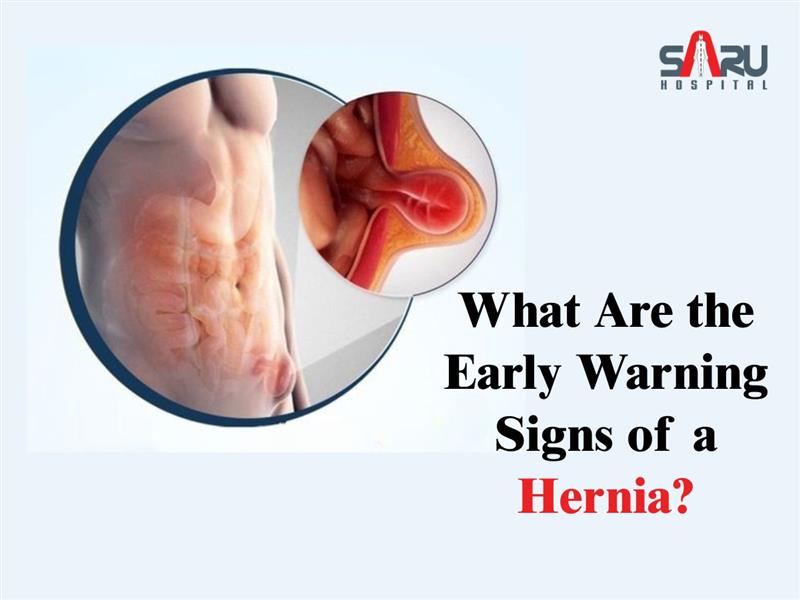
What Are the Early Warning Signs of a Hernia?

Dr. Sachin Deore Laparoscopic Surgeon in Nashik Home > Hernia  > What Are the Early Warning Signs of a Hernia? What Are the Early Warning Signs of a Hernia? Published OnJanuary 22, 2026 Dr. Sachin Deore GallBladder Surgeon in Nashik A hernia occurs when an internal organ or tissue pushes through a weakened spot in the muscle or connective tissue that normally holds it in place. While hernias can develop in different areas of the body, the most common types include inguinal (groin), umbilical (belly button), and incisional (resulting from surgery). Identifying the initial symptoms of a hernia early on is crucial to ensure prompt medical care and prevent potential complications.  Early Warning Signs of a Hernia  If you suspect you may have a hernia, here are some of the most common early signs to watch out for:   1.Visible Bulge Gallstones are hardened deposits that develop in the gallbladder, a small organ found underthe liver.They can be as small as grains of sand or grow much larger. Not everyone withgallstones experiences symptoms, but when they do, timely treatment is crucial.Causes of Gallstones 2.Discomfort or Pain You may experience a mild discomfort or sudden sharp pain where the bulge appears. This pain often worsens with activities like lifting heavy objects, bending, or coughing.  3.Heaviness or Pressure Many patients report a feeling of pressure, weakness, or heaviness in the abdomen. This discomfort can become more prominent after physical activity.   4.Burning or Gurgling Sensation A sensation of burning or a bubbling feeling at the site may be a potential sign of a hernia. This is typically caused by the intestine or fatty tissue pressing against the muscle wall.   5.Changes in Bowel Movements In some cases, hernias may lead to constipation or other digestive issues, especially if part of the intestine is involved. Strangulated hernias occur when the blood supply to the affected tissue is interrupted, which can result in severe digestive issues.  6.Nausea and Vomiting Although not always an early sign, nausea and vomiting can occur if the hernia becomes strangulated—a medical emergency that requires immediate surgical intervention.  Why Early Detection Matters Ignoring the early signs of a hernia can lead to complications, including incarceration (when tissue becomes trapped) or strangulation. These conditions can cause severe pain, tissue death, and require emergency surgery.  If you’re experiencing any of these symptoms, it’s important to consult a qualified specialist. For those in Maharashtra, seeking a skilled Hernia Surgeon in Nashik can make a significant difference in diagnosis, treatment, and recovery. Consult a Trusted Hernia Surgeon in Nashik  Dr. Sachin Deore is a leading Hernia Surgeon in Nashik with years of experience in diagnosing and treating various types of hernias using both conventional and minimally invasive techniques.  To learn more or schedule a consultation, visit:   ? https://www.drsachindeore.com  Frequently Asked Questions (FAQs) Q1. Can a hernia heal without treatment?  No, a hernia will not go away without medical intervention. While some hernias may remain stable for a while, surgery is usually required to repair the muscle weakness.   Q2. Are hernias life-threatening?  Not all hernias are life-threatening, but complications like strangulation can be very serious and require emergency surgery.   Q3. How is a hernia diagnosed?  Hernias are typically identified during a physical exam by a healthcare professional. However, in certain situations, diagnostic imaging such as an ultrasound or CT scan may be recommended for confirmation.   Q4. What is the treatment for a hernia?  The most effective treatment is surgical repair, which may be done through open surgery or laparoscopically, depending on the hernia type and patient condition.  Q5. How can I prevent a hernia?  Avoid heavy lifting, maintain a healthy weight, eat a high-fiber diet, and perform exercises to strengthen your abdominal muscles to help reduce your risk.  Final Thoughts A hernia might start with minor discomfort, but it should never be ignored. Early detection and consultation with an experienced surgeon can prevent complications and promote faster recovery. If you or a loved one notices any of the symptoms listed above, consider reaching out to a trusted Hernia Surgeon in Nashik like Dr. Sachin Deore.  ? Visit https://www.drsachindeore.com for more information or to book your appointment today. 

Uncategorized

9 FAQ about Appendicitis

Dr. Sachin Deore Laparoscopic Surgeon in Nashik Home > Uncategorized  > 9 FAQ about Appendicitis 9 FAQ about Appendicitis Published OnJanuary 22, 2026 Dr. Sachin Deore GallBladder Surgeon in Nashik Q1: Where is the appendix located in your body? Answer: The appendix is a tiny structure attached or an extension of a cecum, starting of a large colon. So it’s located near the junction of the small and large bowel. Q2: What is appendicitis? Answer: Appendicitis is a condition in which the appendix becomes inflamed. The appendix can get inflamed if infected with bacteria, viruses, or fungi, leading to appendicitis. Q3: The cause of appendicitis is unknown. True or false? Answer: True. There is no single cause of appendicitis, but there are several possibilities, including: Fecal matter (fecaliths, or “appendix stones”), parasites, or growths that can obstruct your appendiceal lumen. Inflammatory bowel disease, such as Crohn’s disease. Ulcerative colitis – Infection in the gastrointestinal (GI) tract. Injury or trauma to the abdomen. Q4: What are the signs and symptoms of appendicitis? Answer: Appendicitis symptoms usually begin with mild pain near the belly button that travels to the lower right quadrant of the belly and grows sharper over several hours to a few days. When you try to move, take heavy breaths, cough, or sneeze, the discomfort usually worsens. The pain can come on abruptly and be very strong, unlike any other abdominal discomfort you’ve had previously. Other appendicitis symptoms that accompany stomach pain include: – – Appetite loss – Nausea and/or vomiting – Bloating or swelling in the abdomen – Constipation, diarrhoea, or gas (or an inability to pass gas) – Fever Feeling as if having a bowel movement will relieve the discomfort – Pain in other areas of the belly, back, or rectal area – Fever – Urination that hurts – Urination that hurts Q5: Appendicitis is a severe medical condition. Is this true or false? Answer: True. Appendicitis is a severe medical condition. If you suspect you could have appendicitis, go to an emergency room. If you have appendicitis, your appendix will most likely need to be removed (an appendectomy). A ruptured (burst) appendix is less likely after an appendectomy. Laparoscopic surgery (smaller incisions) is performed to remove the appendix allowing a faster recovery. Antibiotics may also be used to treat mild appendicitis in some instances, while the usual therapy for appendicitis remains appendectomies. Q6: Appendicitis is a life-threatening condition. Is this true or false? Answer: True. Appendicitis is a medical issue that can be lethal if left untreated. The appendix contains germs that are generally innocuous, but these bacteria destroy the appendix’s walls when you have appendicitis. The appendix wall can rupture if left untreated, causing the contents of the appendix to flow into the surrounding tissue and cause peritonitis or inflammation of the abdominal lining. It can result in sepsis (the body’s response to an infection going into overdrive), organ failure, and death. Q7: Who are the people who are most likely to get appendicitis? Answer:  Appendicitis is most frequent in adults aged ten to thirty, with the highest frequency in those aged ten to nineteen. Men have a slightly greater rate of diagnosis of appendicitis than women. Q8: Can you tell me about the long-term effects of an appendectomy? Answer: An appendectomy removes your appendix, relieving pain and eliminating the risk of rupture and infection. Most patients recover completely within 2 to 6 weeks after surgery and have no serious, long-term health issues. The majority of people do not need to alter their diet, exercise routine, or lifestyle. An appendectomy, like any other surgery, is not without danger. Complications can still occur, such as an allergic reaction to drugs, incision infection, the appendix rupturing during the treatment, and other issues. Before the procedure, discuss the risks with your surgeon. Q9: The only way to treat appendicitis is to have surgery. Is this true or false? Answer: False. In the case of appendicitis, appendectomy is the most common therapeutic option. The only method to prevent the appendix from perforating and causing peritonitis or other issues in the future is to remove it. On the other hand, antibiotics can be beneficial in some individuals for whom surgery is not possible, such as those who have just had a heart attack, significant medical issues, and pregnant women in the first trimester.

Uncategorized

6 Foods to Include in Your Diet If You Have Piles

Dr. Sachin Deore Laparoscopic Surgeon in Nashik Home > Uncategorized  >  6 Foods to Include in Your Diet If You Have Piles 6 Foods to Include in Your Diet If You Have Piles Published OnJanuary 22, 2026 Dr. Sachin Deore GallBladder Surgeon in Nashik We all love to relish junk, oily, and spicy foods even though if we know that they are bad for our overall health. It has also been observed that diseases that were once uncommon have become frequent due to changes in our basic diet, and one such condition is piles. Around 75% Indian population is impacted by piles due to a lack of seriousness more than a lack of awareness. One of the most readily preventable and treated illnesses is piles. Choosing the appropriate diet is a simple method to avoid or treat piles. People who eat unhealthy foods and live unhealthy lifestyles are more likely to develop it. About Piles Piles, often known as Hemorrhoids or Mulvyadh, are swollen, inflamed blood vessels surrounding the anus or lower rectal areas. Symptoms of piles include: A painful lump around the anus. Difficult bowel movements. Painless bleeding during bowel movements. Itching or irritation around the anal region. Many factors contribute to the formation of piles, but the most common reason is excessive pressure on the veins around the anus or lower rectum. The major purpose of the Indian food plan for piles is to prevent further issues by reducing straining during bowel movements. People who have piles should eat fiber-rich foods since they bulk up the stool and support healthy bowel movements, avoiding and treating piles. The following foods are said to be healthy for piles: 1.Leafy Vegetables: Leafy vegetables are nutrient-dense, high in antioxidants and fiber, which is beneficial for stomach health and digestion. One can include vegetables like Spinach, fenugreek, celery, radish greens, mustard greens, and other vegetables in their diet. 2.Whole Grains: Brown rice, oatmeal, bran cereals, whole grain flour, and multi-grain bread are examples of whole grains that are helpful in piles. These foods are high in fiber, which also helps bulk up the stool and encourages bowel motions. 3.Fresh Fruits: They are high in fiber, vitamins, and minerals, especially when consumed with their skin. Fresh fruits, such as apples, grapes, bananas, and oranges, helps to improve digestion and encourage regular bowel movements. 4.Sprouts: Sprouts are abundant in fiber, vitamin C, proteins, and calcium. They are extremely beneficial for treating piles because they contain all the above nutrients. One cup of steamed or boiled sprouts per day can help relieve intestinal discomfort. On the other hand, people suffering from piles should not consume raw sprouts as it can aggravate the symptoms of piles. 5.Curd or Buttermilk: Curd or buttermilk is high in probiotics, which help to replenish gut microorganisms and maintain digestive health. Incorporating curd or buttermilk into your regular diet will boost your immunity and digestive health, alleviating piles symptoms. 6.Water: If you don’t drink enough water, the dietary changes described above may not work. Water aids in digestion, absorption of nutrients, softening the gut and preventing constipation and piles. As a result, drink at least three to four litres of water each day.

Scroll to Top