drsachindeore

Uncategorized

Uncategorized

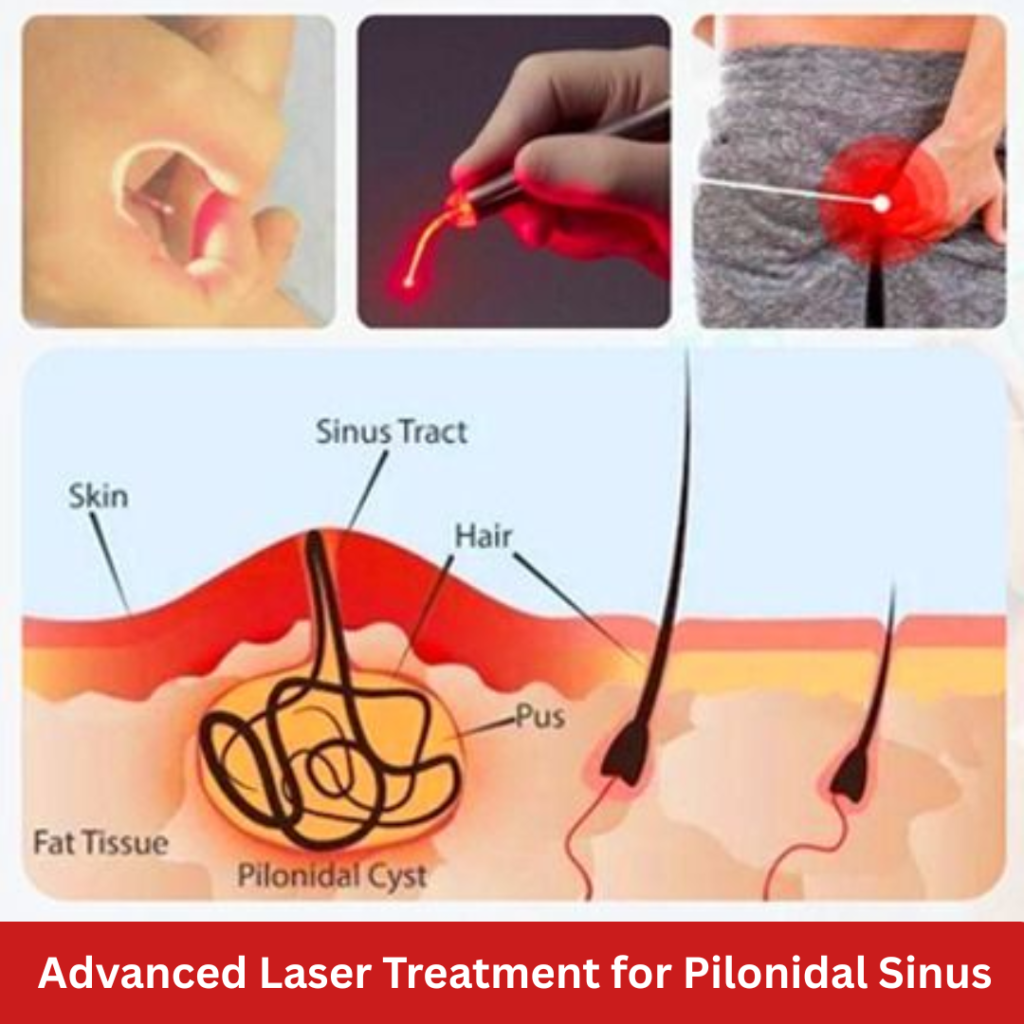
Pilonidal Sinus: Causes, Symptoms, and Advanced Laser Treatment for Faster Healing

Dr. Sachin Deore Laparoscopic Surgeon in Nashik Home >  Uncategorized > Pilonidal Sinus: Causes, Symptoms, and Advanced Laser Treatment for Faster Healing Pilonidal Sinus: Causes, Symptoms, and Advanced Laser Treatment for Faster Healing Published OnJanuary 22, 2026 Dr. Sachin Deore GallBladder Surgeon in Nashik A pilonidal sinus is a common condition that often starts quietly but can become painful if left untreated. Typically located near the tailbone, it can cause discomfort while sitting, walking, or performing daily activities. Many people delay seeking medical help, assuming it will heal on its own. However, ignoring it can lead to infections, chronic discomfort, and recurrence. Opting for timely Pilonidal Sinus Treatment in Nashik, including modern laser treatment, can effectively manage the condition and prevent long-term complications. What Is a Pilonidal Sinus? A pilonidal sinus is a small tunnel or cavity under the skin near the cleft between the buttocks. It often traps hair, dead skin, and debris, which can lead to irritation and infection over time. While not life-threatening, it can significantly affect daily life if neglected. Causes of Pilonidal Sinus The condition usually develops when hair penetrates the skin, causing the body to form an infected tract. Common factors include: Sitting for long hours without breaks Excess hair in the tailbone area Friction and sweating Poor hygiene Obesity or sudden weight changes Family history of pilonidal disease   These factors increase the likelihood of hair embedding under the skin, leading to sinus formation. Symptoms to Watch For   Symptoms may vary depending on the severity of the sinus. Early signs are often overlooked, which can worsen the condition. Typical symptoms include: Pain or tenderness near the tailbone Swelling or redness Fluid or pus discharge Foul odor from the affected area Fever during infection Difficulty sitting comfortably   Types of Pilonidal Sinus Acute abscess: Sudden pain and swelling Chronic sinus: Continuous discharge Recurrent sinus: Returns even after treatment Identifying the type is crucial for determining the right treatment approach. Diagnosis Pilonidal sinus is usually diagnosed through a physical examination by a doctor, who checks for openings, swelling, or discharge. For recurrent or complex cases, further assessment may be performed to plan treatment. Treatment Options Treatment depends on the severity and presence of infection. Non-Surgical Care:Mild cases may be managed through hygiene, hair removal, and observation. Antibiotics can help control infection temporarily but do not eliminate the sinus. Drainage of Infection:If an abscess develops, surgical drainage is required to remove pus and relieve pain. While effective for immediate relief, recurrence is still possible. Definitive Surgical Treatment:For chronic or recurring cases, surgery is often the best option. An experienced General Surgeon in Nashik can remove the sinus tract to reduce recurrence risk. Laser Treatment for Pilonidal Sinus:Modern laser treatment has emerged as a highly effective option for pilonidal sinus. It is minimally invasive and targets the sinus tract precisely, reducing trauma to surrounding tissue. Benefits of Laser Treatment: Smaller incision and minimal scarring Reduced post-procedure pain Faster recovery and quicker return to daily activities Lower risk of infection Decreased chance of recurrence   Laser treatment combines the precision of surgery with faster healing, making it an excellent choice for patients seeking a comfortable and long-term solution. Recovery and Aftercare Recovery depends on the treatment type. Most patients resume light activities within a few days. Key care tips include: Keep the area clean and dry Avoid prolonged sitting Follow hair removal guidance Wear loose-fitting clothing Attend follow-up appointments Proper care during recovery significantly reduces the risk of recurrence. Risks of Ignoring Pilonidal Sinus Without treatment, the sinus may lead to: Repeated infections Multiple sinus tracts Chronic discharge and discomfort Reduced quality of life Early treatment prevents these complications. Prevention Tips Although not always preventable, these measures help reduce risk: Maintain hygiene Avoid long periods of sitting Keep the area free of excess hair Maintain a healthy weight When to Seek Medical Advice Persistent pain, swelling, or discharge near the tailbone should never be ignored. Early consultation ensures effective treatment and long-term relief. Conclusion Pilonidal sinus can be painful and recurring, but modern treatments like laser therapy offer reliable solutions. Early diagnosis, appropriate treatment, and proper recovery care make a significant difference. Choosing Pilonidal Sinus Treatment in Nashik, especially with laser therapy, ensures faster healing, minimal discomfort, and long-term relief. Frequently Asked Questions Is pilonidal sinus dangerous?It is usually not life-threatening but can cause repeated infections if untreated. Does pilonidal sinus always need surgery?Mild cases may not, but chronic or recurrent sinuses often require surgical or laser treatment. How long does healing take after treatment?Recovery varies, but laser treatment typically allows faster healing within a few weeks. Can pilonidal sinus return after treatment?Recurrence is possible, but laser and modern surgical methods significantly reduce the risk. Can lifestyle changes help prevent pilonidal sinus?Yes, maintaining hygiene and avoiding prolonged sitting can lower risk.

Uncategorized

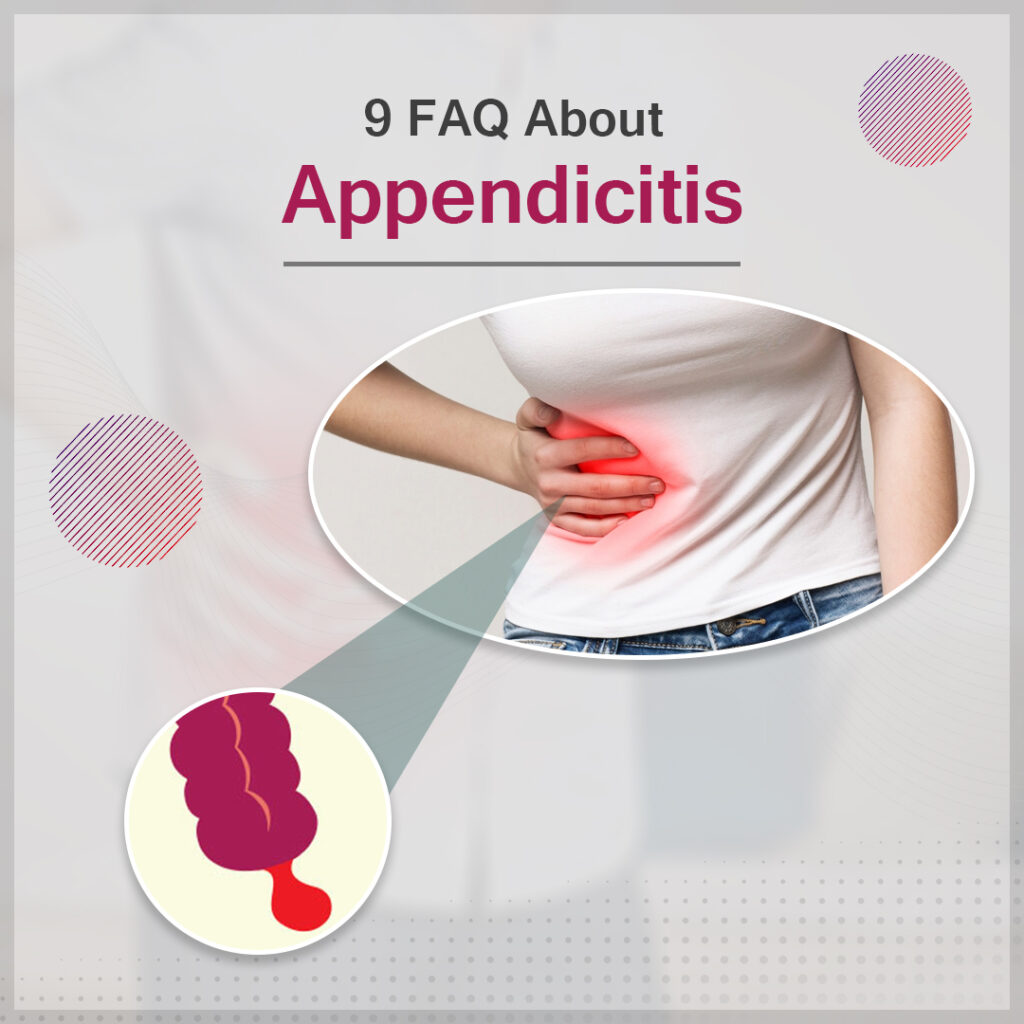
9 FAQ about Appendicitis

Dr. Sachin Deore Laparoscopic Surgeon in Nashik Home > Uncategorized  > 9 FAQ about Appendicitis 9 FAQ about Appendicitis Published OnJanuary 22, 2026 Dr. Sachin Deore GallBladder Surgeon in Nashik Q1: Where is the appendix located in your body? Answer: The appendix is a tiny structure attached or an extension of a cecum, starting of a large colon. So it’s located near the junction of the small and large bowel. Q2: What is appendicitis? Answer: Appendicitis is a condition in which the appendix becomes inflamed. The appendix can get inflamed if infected with bacteria, viruses, or fungi, leading to appendicitis. Q3: The cause of appendicitis is unknown. True or false? Answer: True. There is no single cause of appendicitis, but there are several possibilities, including: Fecal matter (fecaliths, or “appendix stones”), parasites, or growths that can obstruct your appendiceal lumen. Inflammatory bowel disease, such as Crohn’s disease. Ulcerative colitis – Infection in the gastrointestinal (GI) tract. Injury or trauma to the abdomen. Q4: What are the signs and symptoms of appendicitis? Answer: Appendicitis symptoms usually begin with mild pain near the belly button that travels to the lower right quadrant of the belly and grows sharper over several hours to a few days. When you try to move, take heavy breaths, cough, or sneeze, the discomfort usually worsens. The pain can come on abruptly and be very strong, unlike any other abdominal discomfort you’ve had previously. Other appendicitis symptoms that accompany stomach pain include: – – Appetite loss – Nausea and/or vomiting – Bloating or swelling in the abdomen – Constipation, diarrhoea, or gas (or an inability to pass gas) – Fever Feeling as if having a bowel movement will relieve the discomfort – Pain in other areas of the belly, back, or rectal area – Fever – Urination that hurts – Urination that hurts Q5: Appendicitis is a severe medical condition. Is this true or false? Answer: True. Appendicitis is a severe medical condition. If you suspect you could have appendicitis, go to an emergency room. If you have appendicitis, your appendix will most likely need to be removed (an appendectomy). A ruptured (burst) appendix is less likely after an appendectomy. Laparoscopic surgery (smaller incisions) is performed to remove the appendix allowing a faster recovery. Antibiotics may also be used to treat mild appendicitis in some instances, while the usual therapy for appendicitis remains appendectomies. Q6: Appendicitis is a life-threatening condition. Is this true or false? Answer: True. Appendicitis is a medical issue that can be lethal if left untreated. The appendix contains germs that are generally innocuous, but these bacteria destroy the appendix’s walls when you have appendicitis. The appendix wall can rupture if left untreated, causing the contents of the appendix to flow into the surrounding tissue and cause peritonitis or inflammation of the abdominal lining. It can result in sepsis (the body’s response to an infection going into overdrive), organ failure, and death. Q7: Who are the people who are most likely to get appendicitis? Answer:  Appendicitis is most frequent in adults aged ten to thirty, with the highest frequency in those aged ten to nineteen. Men have a slightly greater rate of diagnosis of appendicitis than women. Q8: Can you tell me about the long-term effects of an appendectomy? Answer: An appendectomy removes your appendix, relieving pain and eliminating the risk of rupture and infection. Most patients recover completely within 2 to 6 weeks after surgery and have no serious, long-term health issues. The majority of people do not need to alter their diet, exercise routine, or lifestyle. An appendectomy, like any other surgery, is not without danger. Complications can still occur, such as an allergic reaction to drugs, incision infection, the appendix rupturing during the treatment, and other issues. Before the procedure, discuss the risks with your surgeon. Q9: The only way to treat appendicitis is to have surgery. Is this true or false? Answer: False. In the case of appendicitis, appendectomy is the most common therapeutic option. The only method to prevent the appendix from perforating and causing peritonitis or other issues in the future is to remove it. On the other hand, antibiotics can be beneficial in some individuals for whom surgery is not possible, such as those who have just had a heart attack, significant medical issues, and pregnant women in the first trimester.

Uncategorized

6 Foods to Include in Your Diet If You Have Piles

Dr. Sachin Deore Laparoscopic Surgeon in Nashik Home > Uncategorized  >  6 Foods to Include in Your Diet If You Have Piles 6 Foods to Include in Your Diet If You Have Piles Published OnJanuary 22, 2026 Dr. Sachin Deore GallBladder Surgeon in Nashik We all love to relish junk, oily, and spicy foods even though if we know that they are bad for our overall health. It has also been observed that diseases that were once uncommon have become frequent due to changes in our basic diet, and one such condition is piles. Around 75% Indian population is impacted by piles due to a lack of seriousness more than a lack of awareness. One of the most readily preventable and treated illnesses is piles. Choosing the appropriate diet is a simple method to avoid or treat piles. People who eat unhealthy foods and live unhealthy lifestyles are more likely to develop it. About Piles Piles, often known as Hemorrhoids or Mulvyadh, are swollen, inflamed blood vessels surrounding the anus or lower rectal areas. Symptoms of piles include: A painful lump around the anus. Difficult bowel movements. Painless bleeding during bowel movements. Itching or irritation around the anal region. Many factors contribute to the formation of piles, but the most common reason is excessive pressure on the veins around the anus or lower rectum. The major purpose of the Indian food plan for piles is to prevent further issues by reducing straining during bowel movements. People who have piles should eat fiber-rich foods since they bulk up the stool and support healthy bowel movements, avoiding and treating piles. The following foods are said to be healthy for piles: 1.Leafy Vegetables: Leafy vegetables are nutrient-dense, high in antioxidants and fiber, which is beneficial for stomach health and digestion. One can include vegetables like Spinach, fenugreek, celery, radish greens, mustard greens, and other vegetables in their diet. 2.Whole Grains: Brown rice, oatmeal, bran cereals, whole grain flour, and multi-grain bread are examples of whole grains that are helpful in piles. These foods are high in fiber, which also helps bulk up the stool and encourages bowel motions. 3.Fresh Fruits: They are high in fiber, vitamins, and minerals, especially when consumed with their skin. Fresh fruits, such as apples, grapes, bananas, and oranges, helps to improve digestion and encourage regular bowel movements. 4.Sprouts: Sprouts are abundant in fiber, vitamin C, proteins, and calcium. They are extremely beneficial for treating piles because they contain all the above nutrients. One cup of steamed or boiled sprouts per day can help relieve intestinal discomfort. On the other hand, people suffering from piles should not consume raw sprouts as it can aggravate the symptoms of piles. 5.Curd or Buttermilk: Curd or buttermilk is high in probiotics, which help to replenish gut microorganisms and maintain digestive health. Incorporating curd or buttermilk into your regular diet will boost your immunity and digestive health, alleviating piles symptoms. 6.Water: If you don’t drink enough water, the dietary changes described above may not work. Water aids in digestion, absorption of nutrients, softening the gut and preventing constipation and piles. As a result, drink at least three to four litres of water each day.

Uncategorized

9 Common Mistakes That Can Aggravate Your Piles or Mulvyadh

Dr. Sachin Deore Laparoscopic Surgeon in Nashik Home > Uncategorized  > 9 Common Mistakes That Can Aggravate Your Piles or Mulvyadh 9 Common Mistakes That Can Aggravate Your Piles or Mulvyadh Published OnJanuary 22, 2026 Dr. Sachin Deore GallBladder Surgeon in Nashik 1.Sitting for long periods and leading a sedentary lifestyle: Obesity can aggravate your problem. If you have a desk job and spend most of your free time watching TV or surfing the internet, you’re setting yourself up for chronic constipation and increased toilet strain. Prevent sitting in one location for too long to avoid putting greater pressure on the veins of the blood vessels around your anal area. For your health, make an effort to walk more and engage in cardiac workouts. To gain some relief, go for a brisk walk or jog for at least 30 minutes per day. 2.Lifting very heavy objects daily: It is a fantastic move if you have started working out at the gym. However, please don’t overdo it with weight lifting and stay away from heavy lifting. You’ll increase the pressure on your clot(s) or external hemorrhoids. Until your symptoms start to fade, moderate exercise is the way to go. 3.Ignoring symptoms of constipation or diarrhea: Constipation is well known for causing the creation of additional external hemorrhoids, also known as skin tags. Diarrhea, on the other hand, might aggravate your piles and make the symptoms worse. Make a food diary if you’ve been having trouble passing bowel movements or having loose motions. Examine your diet carefully to determine what is causing your constipation or diarrhea, and then remove those foods from your diet. Consult your physician if diarrhea persists.   4.Overusing laxatives: To gain some relief from the symptoms of piles, your doctor will prescribe stool softeners and laxatives. These tablets or syrups are usually only meant to be taken for one week. Do not overuse these laxatives and make it a habit to take them daily. 5.Using your nails or scratching: For those with piles or hemorrhoids, anal itching is a constant concern. Avoid scratching your anal area as much as possible because it will just make things worse. The last thing you want is to have is a burning sensation all day. To relieve itching, ask your doctor to prescribe topical ointments or gels.   6.Drinking too much coffee: Coffee can dehydrate you and irritate the lining of your stomach. Caffeine is also known to be a main cause of constipation, so reduce your caffeine intake significantly. 7.Sitting on hard or rough surfaces for too long: You should try to avoid putting any pressure on your anal area as much as possible. Avoid sitting for lengthy periods on the floor, and if your office chair isn’t comfortable enough, keep a little pillow on hand to sit on.   8.Not answering nature’s call on time: When your body tells you that you need to go to the bathroom, stop what you’re doing and empty your bowels. Controlling your impulse to defecate would increase the pressure on your anal veins. Make a schedule for going to the bathroom based on your bowel motions and stick to it.   9.Wrong eating habits: It has also been observed that people who consume food containing less fiber, irregular meals or heavy meals, and have less water intake can lead to irregular bowel habits or constipation. So it’s extremely important to work on such habits. In some cases, despite undergoing the traditional medical treatment for piles or even anal fissures, the symptoms can persist. If you have made adequate lifestyle and diet changes, but you still notice blood in your stools along with symptoms such as excessive pain, swelling, and itching, it is time to consult a general surgeon. Don’t be embarrassed by your condition and seek the treatment required instead of suffering in silence.

Uncategorized

General Surgery Nashik

Dr. Sachin Deore Laparoscopic Surgeon in Nashik Home > Uncategorized  > General Surgery Nashik General Surgery Nashik Published OnJanuary 22, 2026 Dr. Sachin Deore GallBladder Surgeon in Nashik Who is a General Surgeon? Dr. Sachin Deore is General Surgeon in Nashik. A general surgeon is a physician who has been educated and trained in the diagnosis, operative, and postoperative management of patient care. General Surgery requires knowledge of body, emergency, and intensive care. The general surgeon is trained to provide operational care for the patient. This includes making surgical management of the patient; and the surgical treatment. General Surgeons are involved in head and neck surgery, pediatric surgery, abdomen and its contents, endocrine system. They are also expected to treat burn patients. Despite the name General surgery, it is actually a surgical specialty. General surgeons also have the versatility to work in a variety of settings, with many diverse types of medical teams and patients. When to see a General Surgeon? They have been referred by their doctor The Surgical method needed is within the reach of the general surgeons The patients require emergency care The patients need both pre- and post-surgical care Minimally invasive surgeries are recommended Different Methods of General Surgery? With technology advancement today, surgery does not necessarily mean large incisions as was previously. Depending on the type of surgery, there are different methods that can be performed: Open surgery- It means cutting the skin and tissues so that the surgeon has a full view of the organs involved. Eg- Removal of infected gallbladder or kidneys. Minimally invasive surgery- It is a technique involved in surgery that does not require a large cut. This new approach allows the patient to recover soon. Along with being a General Surgeon in Nashik, Dr. Sachin Deore is also an Laparoscopic Surgeon in Nashik having expertise in laparoscopic or keyhole surgery. For further details please contact us.

Uncategorized

Hernia Surgery in Nashik

Dr. Sachin Deore Laparoscopic Surgeon in Nashik Home > Uncategorized  >  Hernia Surgery in Nashik Hernia Surgery in Nashik Published OnJanuary 22, 2026 Dr. Sachin Deore GallBladder Surgeon in Nashik Who is a General Surgeon? A hernia occurs when a gland or abdominal tissue breaks through a hole in the muscles. Hernia restoration surgery or herniorrhaphy involves restoring the displaced tissues to their proper position. In many cases, people may have no or very fewer hernia symptoms. You may notice a swelling or lump in your belly area or groin. Often you have no hernia pain. But if your hernia causes unexpected pain and especially if it can’t be pushed back in, you should visit a Hernia Surgeon. Dr. Sachin Deore is an Associate Fellow in Advanced Laparoscopic Surgery and a Hernia Surgeon in Nashik. Currently, he is serving at Saru Hospital located in Nashik. Hernia symptoms and factors that indicate surgery: long-term hernia pain or discomfort in the abdominal area pain while performing everyday activities sharp abdominal pain and vomiting hernias that put pressure on nerves to cause irritation and numbness stomach cramps hernia bulge changes color, especially a dark shade of red or purple What does hernia surgery involve? Hernia surgery can help to relieve pain and strengthen the weak muscle area. It includes 2 types of surgery pattern-  Open Surgery- It is performed under local or general anesthetic with an incision usually around 2.5 to 3 inches. Keyhole (laparoscopic) Surgery– It is performed under general anesthetic, several smaller incisions are made to allow your surgeon to use a less invasive technique. Dr. Sachin Deore uses Laparoscopic Hernia treatment in Nashik. Recovery time after Surgery- Before a person is discharged from the hospital, the hernia surgeon will explain what activities should be avoided and for what duration. It takes 3 to 6 weeks for a full recovery after hernia surgery, you should not do any heavy lifting after surgery. Usually, it will take 1 to 2 weeks before a person can go back to everyday activities and work. To get treated from experts in Nashik book your appointments now https://www.drsachindeore.com/contact-us/

Uncategorized

What Is Laparoscopic Gallbladder Removal Surgery?

Dr. Sachin Deore Laparoscopic Surgeon in Nashik Home > Uncategorized  > What Is Laparoscopic Gallbladder Removal Surgery? What Is Laparoscopic Gallbladder Removal Surgery? Published OnJanuary 22, 2026 Dr. Sachin Deore GallBladder Surgeon in Nashik What is Laparoscopic Gallbladder Removal Surgery (Laparoscopic Cholecystectomy)? Gallbladder removal is one of the most commonly performed surgical procedures. Gallbladder removal surgery is usually performed with minimally invasive techniques and the medical name for this procedure is Laparoscopic Cholecystectomy or Laparoscopic Gallbladder Removal. The gallbladder is a pear-shaped organ that rests beneath the right side of the liver. Its main purpose is to collect and concentrate a digestive liquid (bile) produced by the liver. Bile is released from the gallbladder after eating, aiding digestion. Bile travels through narrow tubular channels (bile ducts) into the small intestine. Removal of the gallbladder is not associated with any impairment of digestion in most people. What Causes Gallbladder Problems? Gallbladder problems are usually caused by the presence of gallstones which are usually small and hard, consisting primarily of cholesterol and bile salts that form in the gallbladder or in the bile duct. It is uncertain why some people form gallstones but risk factors include being female, prior pregnancy, age over 40 years and being overweight. Gallstones are also more common as you get older and some people may have a family history of gallstones. There is no known means to prevent gallstones. These stones may block the flow of bile out of the gallbladder, causing it to swell and resulting in sharp abdominal pain, vomiting, indigestion and, occasionally, fever. If the gallstone blocks the common bile duct, jaundice (yellowing of the skin) can occur. Diagnosing Ultrasound is most commonly used to find gallstones. In a few more complex cases, other X-ray tests such as a CT scan or a gallbladder nuclear medicine scan may be used to evaluate gallbladder disease. Gallstones do not go away on their own. Some can be temporarily managed by making dietary adjustments, such as reducing fat intake. This treatment has a low, short-term success rate. Symptoms will eventually continue unless the gallbladder is removed. Treatments to break up or dissolve gallstones are largely unsuccessful. Surgical removal of the gallbladder is the time-honoured and safest treatment of gallbladder disease. What are the Advantages of Performing Laparoscopic Gallbladder Removal? Rather than a five to seven-inch incision, the operation requires only four small openings in the abdomen. Patients usually have minimal post-operative pain. Patients usually experience faster recovery than open gallbladder surgery patients. Most patients go home the same day of the surgery and enjoy a quicker return to normal activities. Are you a Candidate? Although there are many advantages to laparoscopic gallbladder removal (cholecystectomy), the procedure may not be appropriate for some patients who have severe complicated gallbladder disease or previous upper abdominal surgery. A thorough medical evaluation by your surgeon trained in laparoscopy can determine if laparoscopic gallbladder removal (cholecystectomy) is an appropriate procedure for you. In case you have a concern or query you can always consult a specialist & get answers to your questions! What Causes Gallbladder Problems? Gallbladder problems are usually caused by the presence of gallstones which are usually small and hard, consisting primarily of cholesterol and bile salts that form in the gallbladder or in the bile duct. It is uncertain why some people form gallstones but risk factors include being female, prior pregnancy, age over 40 years and being overweight. Gallstones are also more common as you get older and some people may have a family history of gallstones. There is no known means to prevent gallstones. These stones may block the flow of bile out of the gallbladder, causing it to swell and resulting in sharp abdominal pain, vomiting, indigestion and, occasionally, fever. If the gallstone blocks the common bile duct, jaundice (yellowing of the skin) can occur. Diagnosing Ultrasound is most commonly used to find gallstones. In a few more complex cases, other X-ray tests such as a CT scan or a gallbladder nuclear medicine scan may be used to evaluate gallbladder disease. Gallstones do not go away on their own. Some can be temporarily managed by making dietary adjustments, such as reducing fat intake. This treatment has a low, short-term success rate. Symptoms will eventually continue unless the gallbladder is removed. Treatments to break up or dissolve gallstones are largely unsuccessful. Surgical removal of the gallbladder is the time-honoured and safest treatment of gallbladder disease. What are the Advantages of Performing Laparoscopic Gallbladder Removal? Rather than a five to seven-inch incision, the operation requires only four small openings in the abdomen. Patients usually have minimal post-operative pain. Patients usually experience faster recovery than open gallbladder surgery patients. Most patients go home the same day of the surgery and enjoy a quicker return to normal activities. Are you a Candidate? Although there are many advantages to laparoscopic gallbladder removal (cholecystectomy), the procedure may not be appropriate for some patients who have severe complicated gallbladder disease or previous upper abdominal surgery. A thorough medical evaluation by your surgeon trained in laparoscopy can determine if laparoscopic gallbladder removal (cholecystectomy) is an appropriate procedure for you. In case you have a concern or query you can always consult a specialist & get answers to your questions!

Uncategorized

Piles

Dr. Sachin Deore Laparoscopic Surgeon in Nashik Home > Uncategorized  > Piles Piles Published OnJanuary 22, 2026 Dr. Sachin Deore GallBladder Surgeon in Nashik Piles – Have Laser Proctology At Your Rescue! Proctology refers to the study of the structure and diseases of the anus, rectum, and sigmoid colon. Laser surgery in proctology field enables excellent cutting, limiting thermal damage to the surrounding tissues reducing the post-operative pains. Piles are also called hemorrhoids. They are swellings in blood vessels found in or around the rectum and anus. Piles manifest symptoms like bleeding after passing stool, itchy bottom, hemorrhoid mass hangs out of the anus that pushes back in after passing of stool (prolapse), a mucus discharge, soreness, redness and swelling around the anus. Proctology conditions like piles might not be life-threatening, but they’re associated with poor quality of life and embarrassment. Piles treatment can be done using laser treatment. Laser Treatment for Piles in Nashik: Piles are classified into grades based on their severity. Grade one is the initial stage where a person has bleeding or itching but no prolapse. At this stage conservative measures are recommended. In grade two, the mass of hemorrhoids begins prolapse during defecation but goes back in, on completion of the act. In Grade three, the prolapsed haemorrhoidal mass does not go back on its own, and manually pushed back. LHP is recommended for early stages of Grade 3; however, stapler surgery is recommended for advanced stages. The LHP process: A laser fiber is passed through the anal opening and laser energy is applied to the haemorrhoidal mass. The controlled emission of laser energy reaches the submucosa zone, causing the haemorrhoidal mass to shrink. Fibrosis reconstruction generates new connective tissue, ensuring the mucosa adheres to the underlying tissue preventing the recurrence of prolapse. Benefits: Reduced pain, faster healing, higher outcome, and shorter procedures. Optimal treatment and outcomes. Presets enabling ease of use improved surgical control and accurate dosage. Requires no incisions and suturing. The procedure leaves no foreign material in the body.

Uncategorized

Bowel Resection Surgery

Dr. Sachin Deore Laparoscopic Surgeon in Nashik Home > Uncategorized  > Bowel Surgery Bowel Surgery   Published OnJanuary 22, 2026 Dr. Sachin Deore GallBladder Surgeon in Nashik The bowel is a very important part of your body within the digestive system as it plays a vital role in the absorption of nutrients and minerals within your body as well as excreting toxic matter. The bowel contains the small bowel or small intestine as well as the large bowel or the large intestine. However, parts of the bowel may be infected or damaged in such a manner that they may need to be removed in order to save further worsening. Thus, the removal of sections of the bowels is known as bowel resection surgery. How is bowel resection surgery performed? In this procedure, sections of either the large intestine or the small intestine are removed which have either become diseased, infected or have malignant growths within them. The doctors and surgeons first identify the sections that need to be removed and then perform the surgery wherein a section of the tissue is excised and then two ends of the bowel are stitched together to form a new section of continuous small intestine or large intestine. Types of bowel resection There are two types of bowel resection, namely small bowel resection performed on the small intestine and large bowel resection performed on the large intestine. The indications for both of them are mentioned below: Small Bowel resection: Some of the cases wherein small bowel resection may be required are as follows: Cancerous or benign polyps or growth Precancerous growths and polyps Damage to the small intestine due to injuries Congenital defects in the small intestine Blockages in the intestine The growth of ulcers, bleeding, and infection within the small intestine Infections within the intestines Other disorders of the small intestine Large bowel resection: Large bowel resection is also carried out due to many of the same reasons as mentioned above. However, some of the specific reasons for large bowel resection are mentioned below: Colon cancer Diverticulitis, a disorder that specifically affects the large intestine Bowel inflammation or ulcerative colitis Abnormal twisting of the bowel also known as volvulus Intestines which slide into another section of the intestine; also known as intussusception Risks of the bowel resection Like any other surgery, bowel resection also carries its own risks just as any other form of surgery. Some of the common risks of bowel resection are – Adverse reaction to anesthesia Infections Heart attacks or strokes during the operation Infections Excessive bleeding among others Specific risks for large and small bowel resections are mentioned as follows: Small bowel resection: Certain common risks include accumulation of pus in the abdomen, internal bleeding within the intestine after surgery, diarrhea, infection of the incision area and the stitched area breaking open among others Large bowel resection: In this case, tissues protruding through the cut causing an incisional hernia is the most common element of risk. Nearby organs may be damaged as well; scar tissue, problems with the passage of material within the colon among others are some of the other complications. However, these issues occur rarely and resections are performed very successfully and quite regularly by surgeons. In case you have a concern or query you can always consult an expert & get answers to your questions!

Uncategorized

Facts About Laparoscopy

Dr. Sachin Deore Laparoscopic Surgeon in Nashik Home > Uncategorized  > Facts About Laparoscopy Facts About Laparoscopy Published OnJanuary 22, 2026 Dr. Sachin Deore GallBladder Surgeon in Nashik Know The Myths And Facts About Laparoscopy! Facts About Laparoscopy Laparoscopy is used to diagnose a number of ailments such as ovarian cysts, endometriosis, and pelvic inflammatory diseases to name a few. It is a type of surgery, which involves the usage of small tubes, surgical instruments and video cameras for operations through small incisions or cuts in your body. Even though laparoscopy is a very popular form of surgery, there are quite a few myths associated with it, which are: Myth: If you’ve undergone multiple abdominal surgeries in the past, you can’t opt for a laparoscopy: The truth is that you can go for a laparoscopy even if you’ve gone through multiple surgeries previously, irrespective of the location or size of the previous incisions. This is done through the use of a special instrument, called a microlaparscope that enables safe entry into the abdomen of the patient. Myth: If you’re overweight or underweight, you can’t undergo a laparoscopy: No matter if you’re obese or too thin, you can still undergo a laparoscopy as the tools used for this surgical procedure are available in different lengths and sizes, and can be adjusted as per the body type of the patient before the incision is made. Myth: The images taken through a laparoscope are of poor quality: This is not true. In fact, the visuals obtained through a laparoscope are clearer and much more accurate when compared to those obtained via an open surgery. The visuals of a video laparoscopy provide a detailed magnification of even those parts of the area that are inaccessible by the human eye.   Though different people experience the surgery differently due to difference in health conditions, there are some points everyone should know about a laparoscopic surgery. The problems that laparoscopy addresses: Conditions like ectopic pregnancy, endometriosis and pelvic inflammatory disorders are generally treated using laparoscopic surgery. Moreover, laparoscopy is also used to remove the gallbladder, appendix, patches of endometriosis or detect adhesions, fibroids and cysts. Also a biopsy of the organs inside the abdomen can be done through laparoscopy. The duration of your stay in hospital: Usually performed on an outpatient basis (release on the same day as the surgery), a laparoscopic surgery may require you to stay overnight at the hospital if your condition requires a complex or lengthy surgery. Moreover, if the doctor feels that a bowel resection or partial bowel resection needs to be performed, you may have to stay at the hospital for a few days. In case you have a concern or query you can always consult an expert & get answers to your questions!

Scroll to Top