Laser Treatment for Varicose Veins
What are varicose veins?
How is it diagnosed?
Prevention of Varicose Veins
What are the Symptoms of Varicose Veins?
- Pain
- Weakness
- Itching over the veins
- Burning
- Swelling around ankle
- Cramping in calves
- Restlessness
- Pigmentation
- Dry thinned skin
- Non-Healing Wounds
- Numbness
- Tingling
- Throbbing
- Ulcers
What are the Reasons for Varicose Veins?
Frequently Asked Questions
1. What are varicose veins?
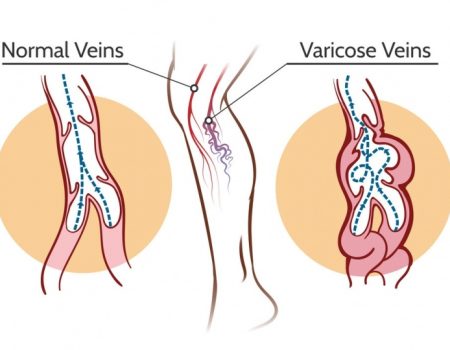
Varicose veins are enlarged, twisted, and swollen veins that usually appear on the legs due to weakened or damaged vein valves. When the valves do not function properly, blood collects in the veins, causing them to become enlarged and visible.
2. What are the common symptoms of varicose veins?
Common symptoms include:
- Aching or heavy legs
- Swollen feet or ankles
- Burning or throbbing sensation
- Night cramps
- Itching around the veins
- Skin discoloration
- Visible bulging veins
- Non-healing leg ulcers in advanced cases
3. Who is at a higher risk of developing varicose veins?
The risk is higher in people who:
- Have a family history of varicose veins
- Stand or sit for long hours
- Are overweight
- Are pregnant
- Are above the age of 40
- Experience hormonal changes
4. How is laser treatment for varicose veins performed?
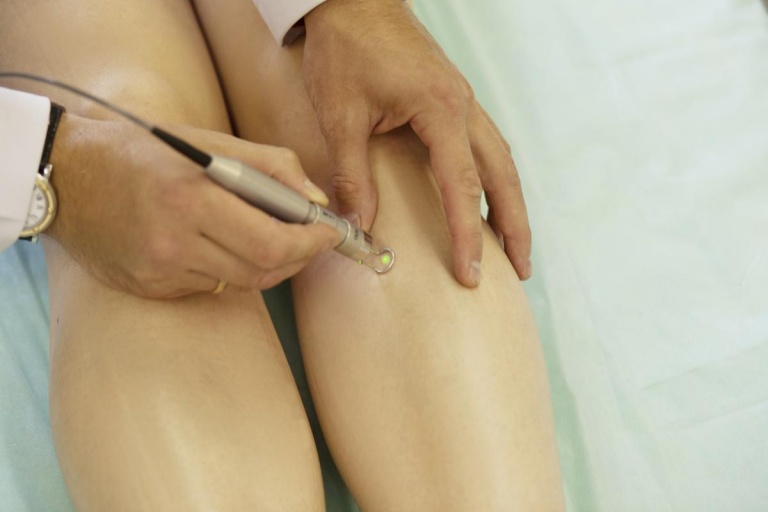
Laser treatment is a minimally invasive procedure in which a thin laser fiber is inserted into the affected vein under imaging guidance. The laser energy seals the damaged vein, allowing blood to flow through healthier veins while the treated vein gradually disappears.
5. What are the benefits of laser treatment for varicose veins?
Laser treatment offers several advantages, including:
- No major surgical cuts
- Less pain and bleeding
- Minimal scarring
- Day-care procedure
- Faster recovery
- Early return to normal activities
- High success rate
6. How long does it take to recover after laser treatment for varicose veins?
Most patients can walk soon after the procedure and return to their routine activities within 24–48 hours, depending on their overall health and the extent of treatment. Your surgeon will provide personalized recovery instructions.
7. Can varicose veins be prevented?
Although they cannot always be prevented, you can reduce the risk by:
- Exercising regularly
- Maintaining a healthy weight
- Avoiding prolonged standing or sitting
- Elevating your legs when resting
- Wearing compression stockings if recommended by your doctor