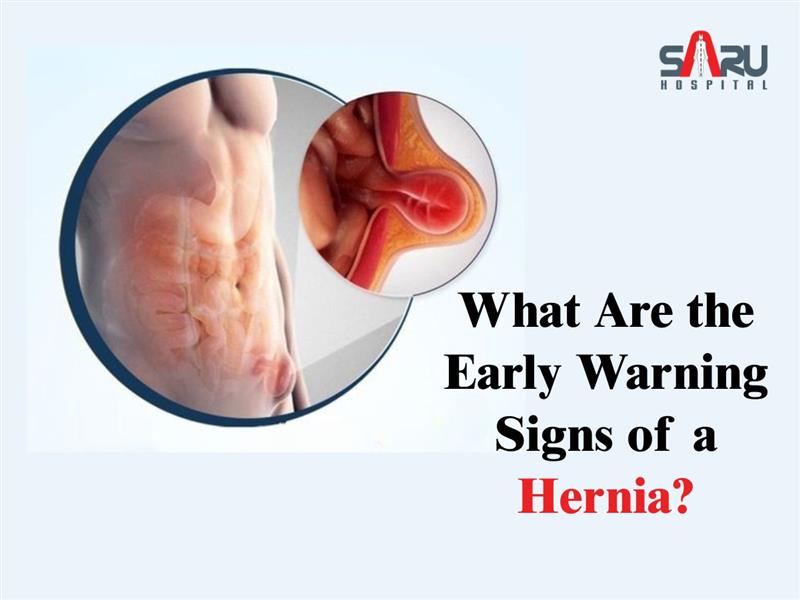
What Are the Early Warning Signs of a Hernia?
Dr. Sachin Deore Laparoscopic Surgeon in Nashik Home > Hernia > What Are the Early Warning Signs of a Hernia? What Are the Early Warning Signs of a Hernia? Published OnJanuary 22, 2026 Dr. Sachin Deore GallBladder Surgeon in Nashik A hernia occurs when an internal organ or tissue pushes through a weakened spot in the muscle or connective tissue that normally holds it in place. While hernias can develop in different areas of the body, the most common types include inguinal (groin), umbilical (belly button), and incisional (resulting from surgery). Identifying the initial symptoms of a hernia early on is crucial to ensure prompt medical care and prevent potential complications. Early Warning Signs of a Hernia If you suspect you may have a hernia, here are some of the most common early signs to watch out for: 1.Visible Bulge Gallstones are hardened deposits that develop in the gallbladder, a small organ found underthe liver.They can be as small as grains of sand or grow much larger. Not everyone withgallstones experiences symptoms, but when they do, timely treatment is crucial.Causes of Gallstones 2.Discomfort or Pain You may experience a mild discomfort or sudden sharp pain where the bulge appears. This pain often worsens with activities like lifting heavy objects, bending, or coughing. 3.Heaviness or Pressure Many patients report a feeling of pressure, weakness, or heaviness in the abdomen. This discomfort can become more prominent after physical activity. 4.Burning or Gurgling Sensation A sensation of burning or a bubbling feeling at the site may be a potential sign of a hernia. This is typically caused by the intestine or fatty tissue pressing against the muscle wall. 5.Changes in Bowel Movements In some cases, hernias may lead to constipation or other digestive issues, especially if part of the intestine is involved. Strangulated hernias occur when the blood supply to the affected tissue is interrupted, which can result in severe digestive issues. 6.Nausea and Vomiting Although not always an early sign, nausea and vomiting can occur if the hernia becomes strangulated—a medical emergency that requires immediate surgical intervention. Why Early Detection Matters Ignoring the early signs of a hernia can lead to complications, including incarceration (when tissue becomes trapped) or strangulation. These conditions can cause severe pain, tissue death, and require emergency surgery. If you’re experiencing any of these symptoms, it’s important to consult a qualified specialist. For those in Maharashtra, seeking a skilled Hernia Surgeon in Nashik can make a significant difference in diagnosis, treatment, and recovery. Consult a Trusted Hernia Surgeon in Nashik Dr. Sachin Deore is a leading Hernia Surgeon in Nashik with years of experience in diagnosing and treating various types of hernias using both conventional and minimally invasive techniques. To learn more or schedule a consultation, visit: ? https://www.drsachindeore.com Frequently Asked Questions (FAQs) Q1. Can a hernia heal without treatment? No, a hernia will not go away without medical intervention. While some hernias may remain stable for a while, surgery is usually required to repair the muscle weakness. Q2. Are hernias life-threatening? Not all hernias are life-threatening, but complications like strangulation can be very serious and require emergency surgery. Q3. How is a hernia diagnosed? Hernias are typically identified during a physical exam by a healthcare professional. However, in certain situations, diagnostic imaging such as an ultrasound or CT scan may be recommended for confirmation. Q4. What is the treatment for a hernia? The most effective treatment is surgical repair, which may be done through open surgery or laparoscopically, depending on the hernia type and patient condition. Q5. How can I prevent a hernia? Avoid heavy lifting, maintain a healthy weight, eat a high-fiber diet, and perform exercises to strengthen your abdominal muscles to help reduce your risk. Final Thoughts A hernia might start with minor discomfort, but it should never be ignored. Early detection and consultation with an experienced surgeon can prevent complications and promote faster recovery. If you or a loved one notices any of the symptoms listed above, consider reaching out to a trusted Hernia Surgeon in Nashik like Dr. Sachin Deore. ? Visit https://www.drsachindeore.com for more information or to book your appointment today.